Hydroquinone → HCID 54550117, compound
Reaction equation

[CH3:1][C:2]1([CH3:13])[CH2:11][CH:10]([CH3:12])[CH:9]2[CH:4]([CH2:5][CH2:6][CH2:7][CH2:8]2)[NH:3]1.[C:14]([O:19][CH2:20][CH:21]1[O:23][CH2:22]1)(=[O:18])[C:15]([CH3:17])=[CH2:16].C1(C)C=CC(S(O)(=O)=O)=CC=1.C1C(O)=CC=C(O)C=1>C(O)C>[OH:23][CH:21]([CH2:20][O:19][C:14](=[O:18])[C:15]([CH3:17])=[CH2:16])[CH2:22][N:3]1[CH:4]2[CH:9]([CH2:8][CH2:7][CH2:6][CH2:5]2)[CH:10]([CH3:12])[CH2:11][C:2]1([CH3:13])[CH3:1]Participants
6
Reactant 4


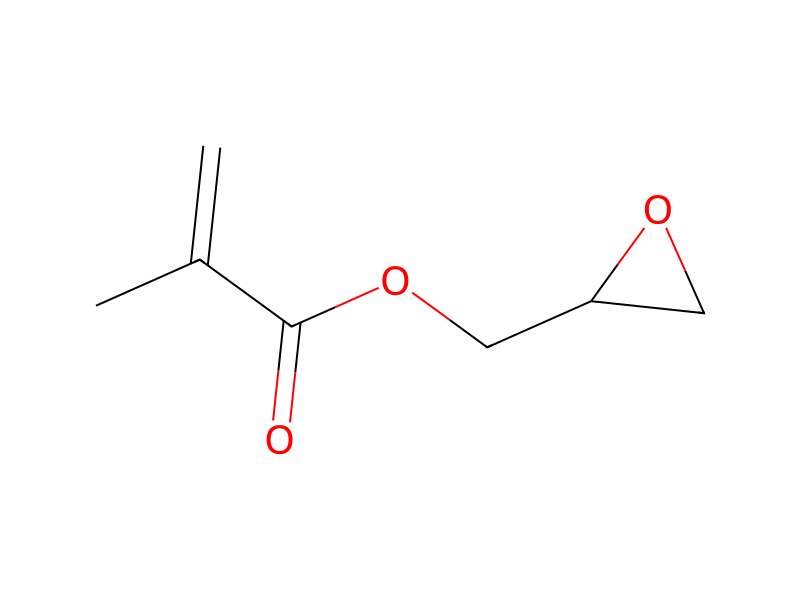

Product 1

Reagents, catalysts & solvents 1

Procedure
In a 500 ml 3-neck flask were placed 0.62 mole of 2,2,4-trimethyldecahydroquinoline (hereinafter referred to as TDQ), 0.62 mole of glycidyl methacrylate, 0.5 gram p-toluene sulfonic acid, 0.5 gram p-hydroquinone, and 5 mls of ethanol. The above mixture was heated and allowed to react overnight. The maximum pot temperature was approximately 188° C.
Workup
- customIn a 500 ml 3-neck flask were placed
- temperatureThe above mixture was heated
- customto react overnight
- customwas approximately 188° C.
Sources & evidence
- ORD record
- ord-31fabdaed55c49908f7f84b0dacf1a98
- Source dataset
- uspto-grants-1981_09
- Patent number
- US04292237
Reaction notes
Loading…