Diisopropylamine → HCID 21557607, compound
Reaction equation

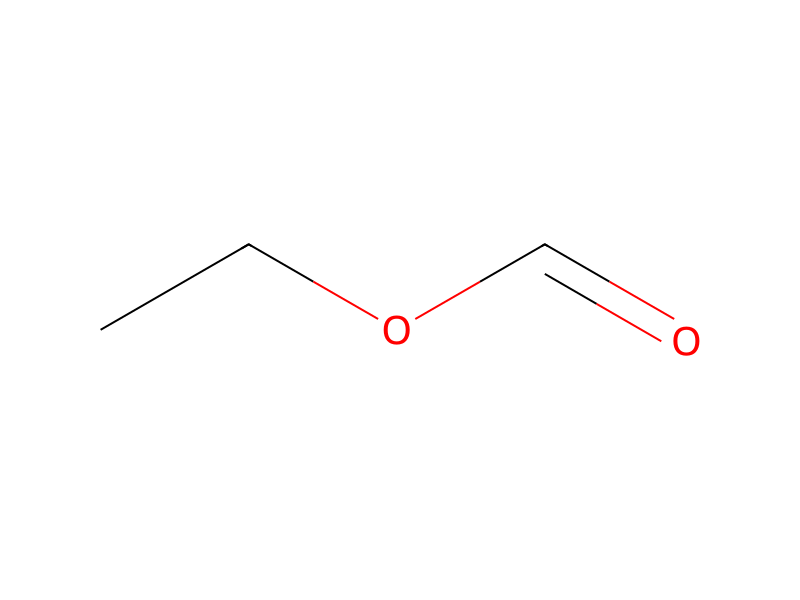
C(NC(C)C)(C)C.C([Li])CCC.[O:13]1[CH2:18][CH2:17][CH2:16][CH2:15][CH:14]1[O:19][C:20]1[CH:25]=[CH:24][C:23]([CH2:26][C:27]#[N:28])=[CH:22][CH:21]=1.[CH:29](OCC)=[O:30]>C(O)(=O)C.O1CCCC1>[C:27]([CH:26]([C:23]1[CH:24]=[CH:25][C:20]([O:19][CH:14]2[CH2:15][CH2:16][CH2:17][CH2:18][O:13]2)=[CH:21][CH:22]=1)[CH:29]=[O:30])#[N:28]Participants
Reactant 4



Product 1

Reagents, catalysts & solvents 2


Procedure
To a cold (0° C) solution of 20.2 g. of diisopropylamine in 70 ml. of anhydrous tetrahydrofuran, is added 12.8 g. of n-butyllithium, and 10 g. of 4-tetrahydropyran-2-yloxyphenylacetonitrile, under nitrogen atmosphere, the resulting mixture is stirred at 0° C for 30 minutes and then 7.4 g. of ethyl formate is added. The reaction mixture is stirred for 18 hours at room temperature, under nitrogen atmosphere, poured into ice water and acidified to pH 5 with 10% acetic acid. It is then extracted three times with methylene chloride, the organic extracts are washed with water to neutrality, dried over sodium sulfate and evaporated to dryness under vacuo. The crude residue is treated with dihydropyran in benzene solution, in accordance with the method of Preparation 3, part B, to afford 2-cyano-2-(4-tetrahydropyran-2-yloxyphenyl)acetaldehyde which can be purified by crystallization from acetone-hexane.
Workup
- customTo a cold (0° C) solution of 20.2 g
- extractionIt is then extracted three times with methylene chloride
- washthe organic extracts are washed with water to neutrality
- dry with materialdried over sodium sulfate
- customevaporated to dryness under vacuo
- additionThe crude residue is treated with dihydropyran in benzene solution, in accordance with the method of Preparation 3, part B
Sources & evidence
- ORD record
- ord-31b60caaf1aa401da4612ac9d2b24ee7
- Source dataset
- uspto-grants-1976_02
- Patent number
- US03940407
Reaction notes
Loading…