Methane → 1-Aminoanthraquinone
Reaction equation

[N+:1]([C:4]1[C:17]2[C:16](=[O:18])[C:15]3[C:10](=[CH:11][CH:12]=[CH:13][CH:14]=3)[C:9](=[O:19])[C:8]=2[CH:7]=[CH:6][CH:5]=1)([O-])=O.C1(OC)C=CC=CC=1.C.[H][H]>[Pd]>[NH2:1][C:4]1[C:17]2[C:16](=[O:18])[C:15]3[C:10](=[CH:11][CH:12]=[CH:13][CH:14]=3)[C:9](=[O:19])[C:8]=2[CH:7]=[CH:6][CH:5]=1Participants
Reactant 4
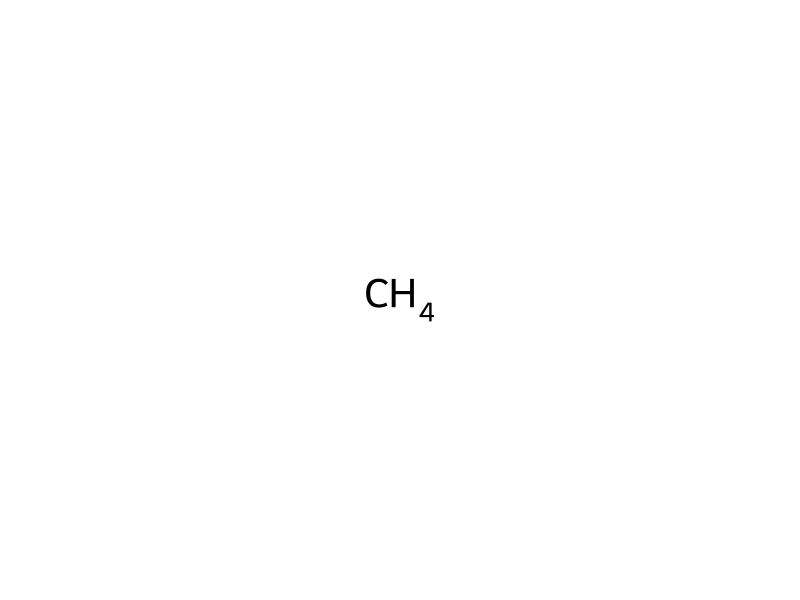

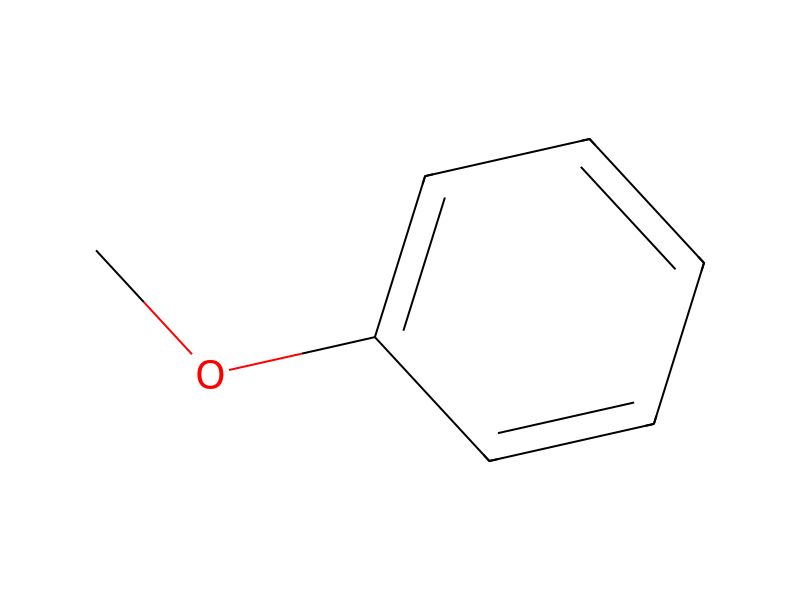

Product 1

Reagents, catalysts & solvents 1

Procedure
1 Part of nitroanthraquinone with a content of 97.0 percent of 1-nitroanthraquinone, 9 parts of anisole and 0.005 parts of catalyst (10 percent Pd on active charcoal) are heated to 130° in an autoclave with a capacity of 20 parts by volume and equipped with a rotary agitator. While heating, rinsing with nitrogen is effected and, on reaching the reaction temperature, hydrogen is passed through to provide a total pressure of 6.0 kp per cm2, at which the agitator is activated and hydrogenation effected until an amount of hydrogen corresponding to 264 parts by volume is taken up. The hydrogen is now followed by nitrogen and the catalyst separated, the filtrate cooled down to room temperature, when 1-aminoanthraquinone is formed in easily filtrable crystals. The crystallization product is separated, washed with a small quantity of cold benzene and dried at 100° and 20 mm of Hg. 0.83 Parts of a product containing 98.0 percent of 1-aminoanthraquinone are obtained, which corresponds to a yield of 95.1 percent of the theory. By concentrating the mother liquor, a further 0.05 parts of a product containing 71 percent of 1-aminoanthraquinone is obtained.
Workup
- customequipped with a rotary agitator
- temperatureWhile heating
- washrinsing with nitrogen
- customto provide a total pressure of 6.0 kp per cm2
- customthe catalyst separated
Sources & evidence
- ORD record
- ord-bff9b82714de4398834f341e98b631df
- Source dataset
- uspto-grants-1976_01
- Patent number
- US03931253
Reaction notes
Loading…