Acetate → Coumarin
Reaction equation

[C:1]1([OH:7])[CH:6]=[CH:5][CH:4]=[CH:3][CH:2]=1.C(O)(=O)C.[C:12](OC)(=[O:15])[CH:13]=[CH2:14].C([O-])(=O)C>>[O:7]1[C:1]2[C:6](=[CH:5][CH:4]=[CH:3][CH:2]=2)[CH:14]=[CH:13][C:12]1=[O:15]Participants
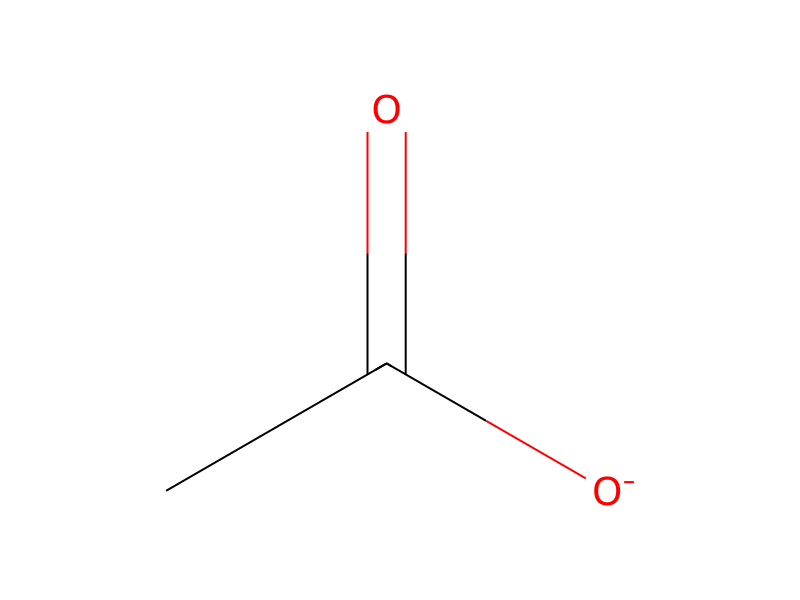




Conditions
- Temperature
- 90 °C
Procedure
In another example, 282 grams (3.0 moles) of phenol, 182 grams (3.04 moles) of acetic acid, 52.0 grams (0.604 moles) of methyl acrylate, 2.4 grams (0.012 moles) of cupric acetate monohydrate, 1.4 grams (0.0062 moles) of pallidium acetate, and 6 grams of a finely divided inert diatomaceous earth known in the trade as Celite were placed in a stainless steel autoclave. The autoclave was sealed and pressured to 250 pounds per square inch with air; this pressure being maintained as the mixture was stirred and air was bubbled through it at a rate of two cubic feet per hour (measured at atmospheric pressure). The mixture was heated to 90°C. for 3.5 hours while maintaining the stirring and the air flow, hereinbefore described. The catalyst did not precipitate out on the walls of the autoclave, while the methyl esters of o- and p-hydroxycinnamic acids and coumarin were obtained in a good yield.
Workup
- customThe autoclave was sealed
- temperaturethis pressure being maintained as the mixture
- customair was bubbled through it at a rate of two cubic feet per hour (measured at atmospheric pressure)
- temperaturewhile maintaining the stirring and the air flow
- customThe catalyst did not precipitate out on the walls of the autoclave, while the methyl esters of o- and p-hydroxycinnamic acids
Sources & evidence
- ORD record
- ord-44d6c954234f48a19d214eeb7c6bf54c
- Source dataset
- uspto-grants-1976_01
- Patent number
- US03935234
Reaction notes
Loading…