Hydrogen Cyanide → 6-Chloroquinoxaline-2,3-diamine
Reaction equation

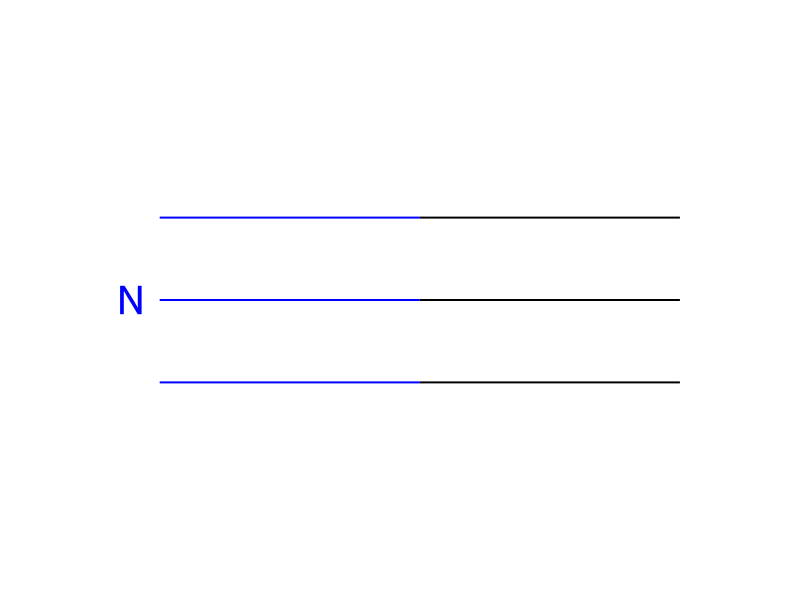
[N:1]#[C:2][C:3]#[N:4].C#N.[Cl:7][C:8]1[CH:13]=[CH:12][C:11]([NH2:14])=[C:10]([NH2:15])[CH:9]=1.[OH-].[Na+]>CO>[Cl:7][C:8]1[CH:9]=[C:10]2[C:11](=[CH:12][CH:13]=1)[N:14]=[C:2]([NH2:1])[C:3]([NH2:4])=[N:15]2Participants
6
Reactant 4



Product 1

Reagents, catalysts & solvents 1

Procedure
60 G (1.15 moles of cyanogen, which had beforehand been freed of adhering hydrocyanic acid by washing with a silver nitrate solution containing nitric acid and had been condensed in a cold trap, were passed at room temperature into a solution of 71.3 g (0.5 mole) of 1-chloro-3,4-diaminobenzene and 2 ml of 10% strength sodium hydroxide solution in 200 ml of anhydrous methanol. The reaction mixture was left to stand for 2 days at room temperature. Thereafter the resulting precipitate was filtered off, rinsed with a little methanol and dried. 41.6 G (representing 43% of theory) of 6-chloro-2,3-diamino-quinoxaline of melting point 290°C were obtained.
Workup
- washby washing with a silver nitrate solution
- additioncontaining nitric acid
- customcondensed in a cold trap
- waitThe reaction mixture was left
- filtrationThereafter the resulting precipitate was filtered off
- washrinsed with a little methanol
- customdried
Sources & evidence
- ORD record
- ord-c9ca7d903501496e997c5cc83d84c1a7
- Source dataset
- uspto-grants-1976_01
- Patent number
- US03935312
Reaction notes
Loading…