Hydrochloric Acid → HCID 21561695, compound
Reaction equation

[CH2:1]([N:8]1[C:12]2[CH:13]=[CH:14][CH:15]=[CH:16][C:11]=2[N:10]=[C:9]1[N:17]=[C:18]([NH2:20])[NH2:19])[C:2]1[CH:7]=[CH:6][CH:5]=[CH:4][CH:3]=1.Cl.N([O-])=O.[Na+].[CH2:26](N)[CH2:27]N>O.C(O)CCCC>[CH2:1]([N:8]1[C:12]2[CH:13]=[CH:14][CH:15]=[CH:16][C:11]=2[N:10]=[C:9]1[NH:17][C:18]1[NH:20][CH2:26][CH2:27][N:19]=1)[C:2]1[CH:3]=[CH:4][CH:5]=[CH:6][CH:7]=1Participants
7
Reactant 4



Product 1

Reagents, catalysts & solvents 2


Procedure
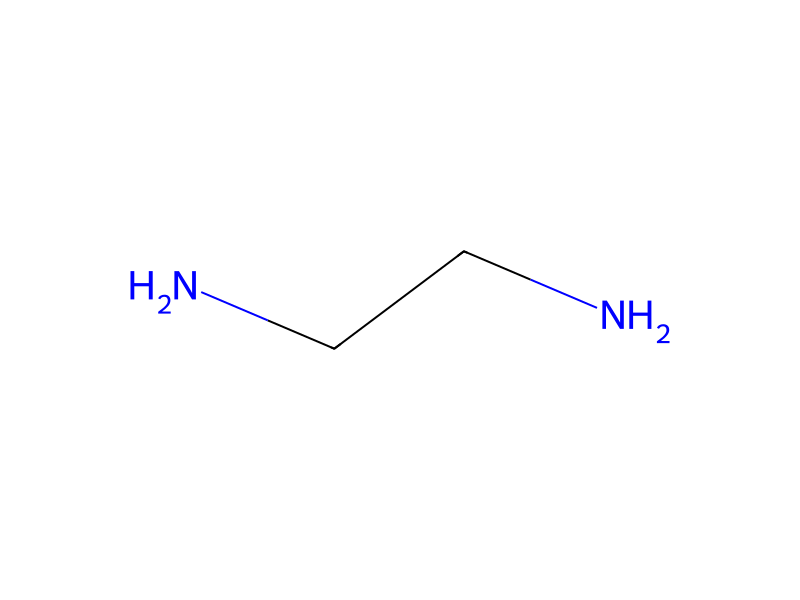
2-(1-Benzylbenzimidazolyl)guanidine (3.65g, 0.0143 mol) was dissolved in water (600 ml) containing 5N hydrochloric acid (5.5 ml). The solution was cooled to 0° to 5°C and treated portionwise with sodium nitrite (1.0g) each hour for 3 hours. After a further 4 hours the reaction mixture was filtered and the microcrystals so obtained were heated under reflux in amyl alcohol (15 ml) with ethylenediamine (3 ml) for 6 hours. The cooled reaction mixture was evaporated to dryness. The resulting semi-solid was crystallised from amyl alcohol was then recrystallised from ethanol to yield 2-(1-benzylbenzimidazolyl)amino-2-imidazoline (1.0g) as colourless microcrystals m.p. 165°-166°C.
Workup
- temperatureThe solution was cooled to 0° to 5°C
- filtrationAfter a further 4 hours the reaction mixture was filtered
- customthe microcrystals so obtained
- temperaturewere heated
- customThe cooled reaction mixture
- customwas evaporated to dryness
- customThe resulting semi-solid was crystallised from amyl alcohol
- customwas then recrystallised from ethanol
Sources & evidence
- ORD record
- ord-4112a6fd553d464b9ae65e2541597906
- Source dataset
- uspto-grants-1976_01
- Patent number
- US03935314
Reaction notes
Loading…