Citric Acid → Anthralin
Reaction equation

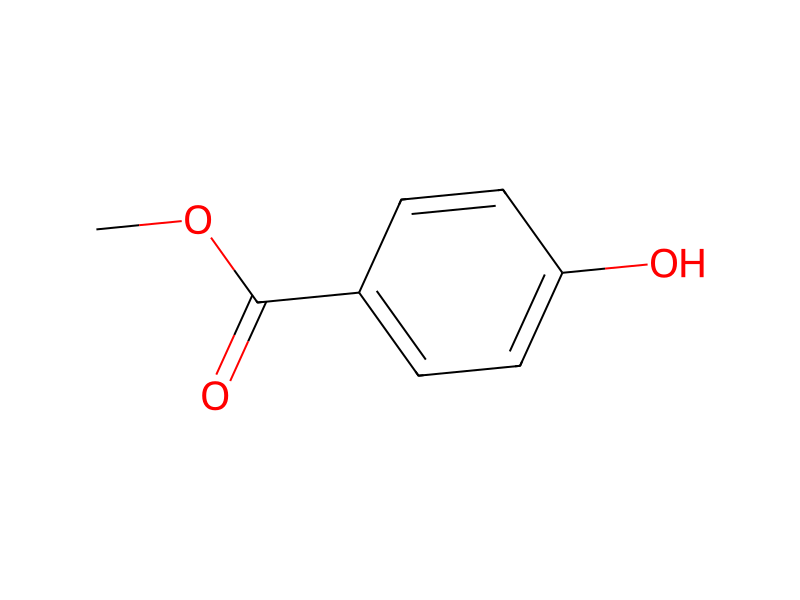
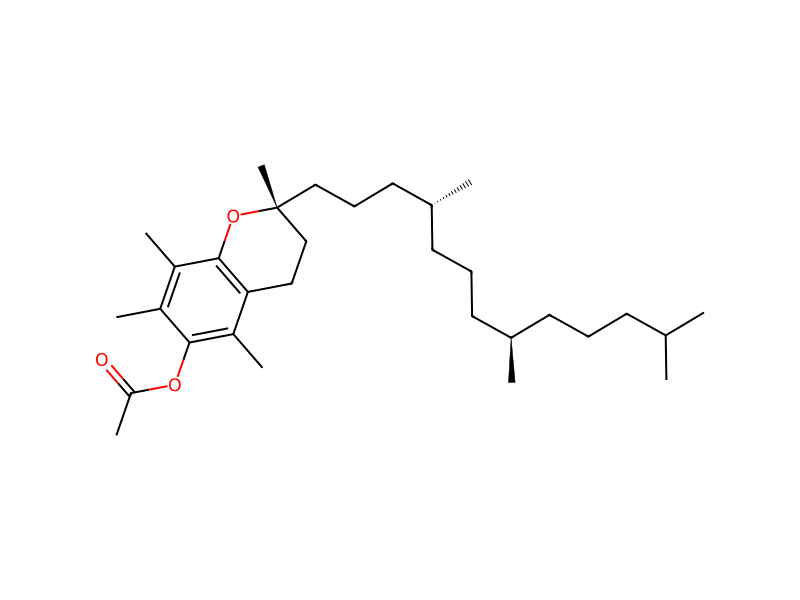
[C:1]([OH:13])(=O)[CH2:2][C:3]([CH2:8][C:9]([OH:11])=O)(C(O)=O)[OH:4].C(N(CC(O)=O)CC(O)=O)CN(CC(O)=O)CC(O)=O.[Na].[Na].COC(C1C=CC(O)=CC=1)=O.C(OC(C1C=CC(O)=CC=1)=O)C.C[C:60]1[C:65]2O[C@@:67](CCC[C@@H](CCC[C@@H](CCCC(C)C)C)C)([CH3:70])[CH2:68][CH2:69][C:64]=2C(C)=[C:62](OC(C)=O)[C:61]=1C>O>[CH:61]1[CH:60]=[C:65]2[CH2:64][C:69]3[CH:68]=[CH:67][CH:70]=[C:1]([OH:13])[C:2]=3[C:3](=[O:4])[C:8]2=[C:9]([OH:11])[CH:62]=1Participants
Reactant 5



Product 1

Reagents, catalysts & solvents 1

Conditions
- Temperature
- 50 °C
Procedure
Separately, 1,646 g of deionized water are heated to approximately 90° C. and 18 g of citric acid are dissolved therein. To this is added 1.2 g of disodium ethylenediamine tetracetic acid and 5g of a 1.5:1 mixture of methylparaben and ethylparaben. When this aqueous mixture, which will weigh about 1,670 g and will constitute approximately 83.5% of the final composition, is homogenous, it is combined with the above hydrocarbon component in a homogenizer. When the emulsion is thoroughly blended, it is cooled to 50° C. and 0.6 g of tocopherol acetate are added. This mixture is further blended to produce 2,000 g of a 0.2% homogenous anthralin cream which maintains its formulation stability and in which the anthralin does not appear to undergo excessive degradation, e.g. less than 10% as determined by HPLC.
Workup
- additionTo this is added
Sources & evidence
- ORD record
- ord-5fef43108db848d186f3d41d4222dc44
- Source dataset
- uspto-grants-1985_11
- Patent number
- US04551480
Reaction notes
Loading…