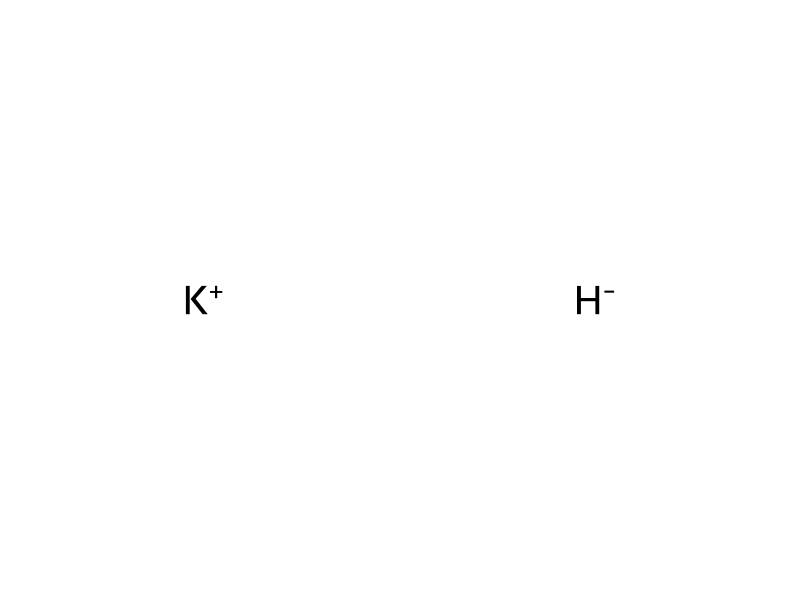
Potassium hydride → HCID 23678574, compound
Reaction equation

[O:1]([C:8]1[CH:13]=[CH:12][C:11]([SH:14])=[CH:10][CH:9]=1)[C:2]1[CH:7]=[CH:6][CH:5]=[CH:4][CH:3]=1.[H-].[K+:16]>CN(C)C=O>[O:1]([C:8]1[CH:13]=[CH:12][C:11]([S-:14])=[CH:10][CH:9]=1)[C:2]1[CH:7]=[CH:6][CH:5]=[CH:4][CH:3]=1.[K+:16]Participants
4
Reactant 2

Product 1

Reagents, catalysts & solvents 1

Procedure
4-Phenoxythiophenol (4.8 g) was stirred for 45 min with potassium hydride (0.98 g) in N,N-dimethylformamide (100 ml) to produce a homogeneous solution of potassium 4-phenoxythiophenolate. The lactone, (S)-3-carbobenzyl-oxyamino-2-oxetanone (5.3 g) (Arnold, L. D. et al., J. Am. Chem. Soc., 107, 7105 (1985)), dissolved in N,N-dimethylformamide (50 ml) was then added at room temperature. After stirring for 30 minutes the mixture was poured into water and extracted with ethyl acetate. The combined extracts were dried over magnesium sulfate, and solvent removed under reduced pressure to give (R)-2-(benzyloxycarbonylamino)-3-(4-phenoxyphenylthio)-propionic acid (9.2 g). It can be used directly in the next step.
Sources & evidence
- ORD record
- ord-50394cfebe06429fb6036bb6dbfa0b6b
- Source dataset
- uspto-grants-1999_08
- Patent number
- US05932595
Reaction notes
Loading…