Acetic Acid → HCID 10517494, compound
Reaction equation

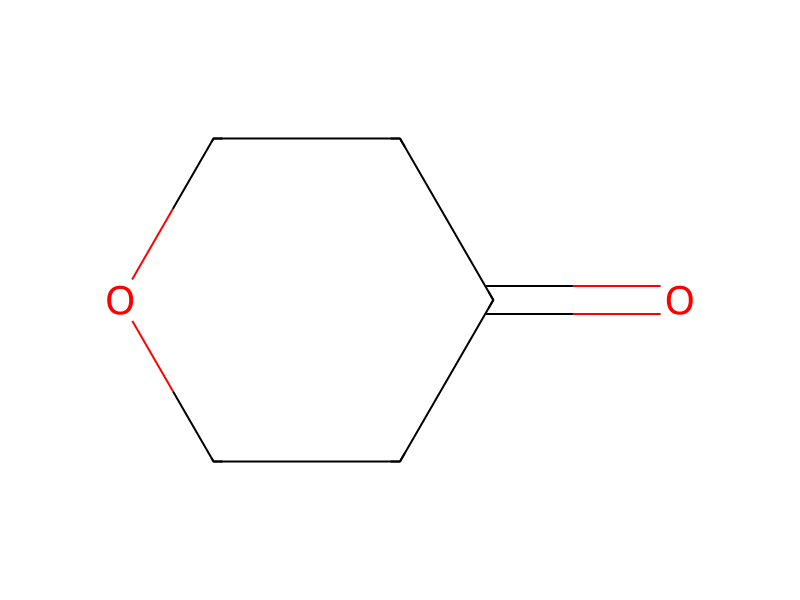
[C:1]([C:5]1[CH:10]=[C:9]([C:11]([CH3:14])([CH3:13])[CH3:12])[CH:8]=[CH:7][C:6]=1[OH:15])([CH3:4])([CH3:3])[CH3:2].[O:16]1[CH2:21][CH2:20][C:19](=O)[CH2:18][CH2:17]1.C(O)(=O)C.Cl>C1(C)C=CC=CC=1>[C:1]([C:5]1[CH:10]=[C:9]([C:11]([CH3:14])([CH3:13])[CH3:12])[CH:8]=[C:7]([C:19]2[CH2:20][CH2:21][O:16][CH2:17][CH:18]=2)[C:6]=1[OH:15])([CH3:4])([CH3:3])[CH3:2]Participants
6
Reactant 4



Product 1

Reagents, catalysts & solvents 1

Procedure
A mixture consisting of 21.9 g (0.106 mol) of 2,4-di-tert-butylphenol, 5.3 g (0.053 mol) of tetrahydro-4H-pyran-4-one and 5 ml of acetic acid is melted melted together and is then saturated, with stirring, with hydrochloric acid gas at 40-45° C. After standing for 60 hours at room temperature, the reaction mixture is diluted with toluene and washed with water, sodium chloride solution and sodium hydrogencarbonate solution. The organic phase is dried over magnesium sulfate and concentrated on a rotary evaporator. The residue is crystallised from methanol, giving 7.2 g (47%) of 2,4-di-tert-butyl-6-(3,6-dihydro-2H-pyran-4-yl)phenol, m.p. 135-139° C. (compound (103), Table 1).
Workup
- washwashed with water, sodium chloride solution and sodium hydrogencarbonate solution
- dry with materialThe organic phase is dried over magnesium sulfate
- concentrationconcentrated on a rotary evaporator
- customThe residue is crystallised from methanol
Sources & evidence
- ORD record
- ord-50faab5277ee4a47b8561e5d79218f1f
- Source dataset
- uspto-grants-1999_08
- Patent number
- US05932642
Reaction notes
Loading…