Glycidyl methacrylate → Anthraquinone
Reaction equation

N[C:2]1[C:15]2[C:14](=[O:16])[C:13]3[C:8](=[CH:9][CH:10]=[CH:11][CH:12]=3)[C:7](=[O:17])[C:6]=2[C:5](N)=[CH:4][CH:3]=1.C(OCC1OC1)(=O)C(C)=C>CO>[CH:9]1[C:8]2[C:7](=[O:17])[C:6]3[C:15](=[CH:2][CH:3]=[CH:4][CH:5]=3)[C:14](=[O:16])[C:13]=2[CH:12]=[CH:11][CH:10]=1Participants
4
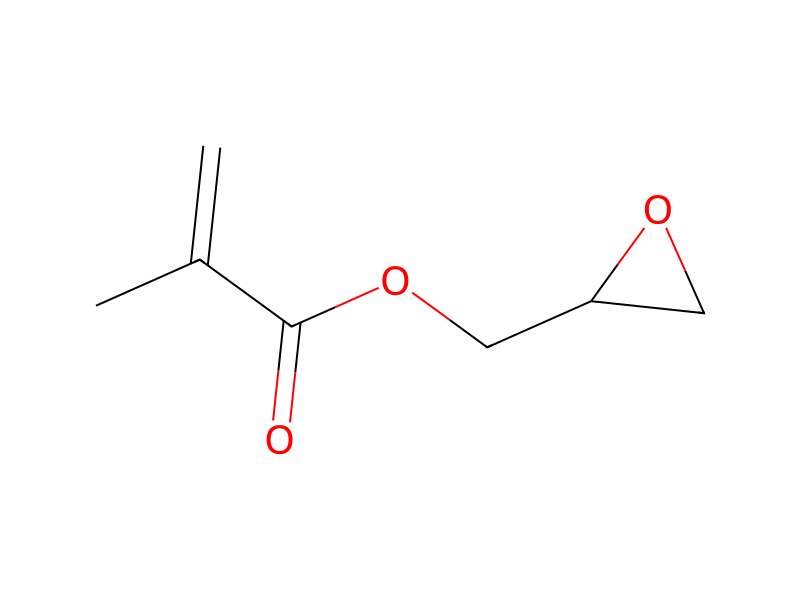
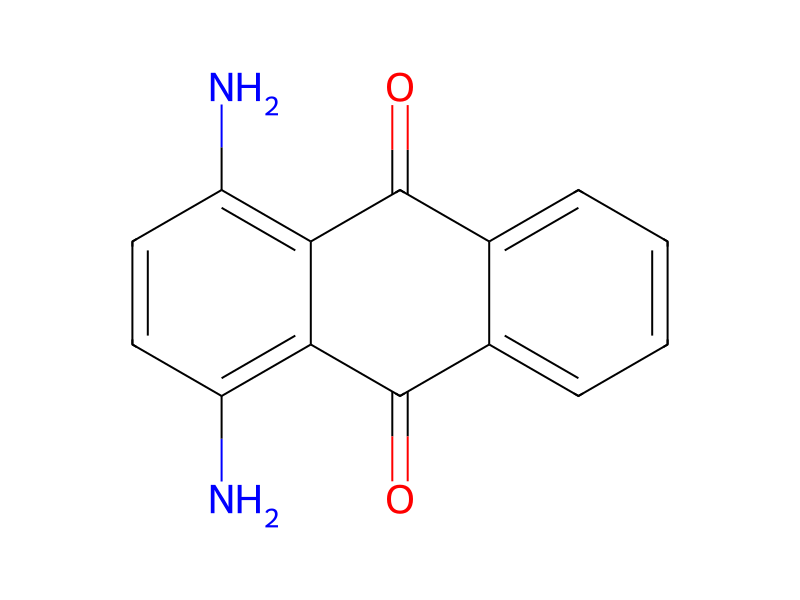
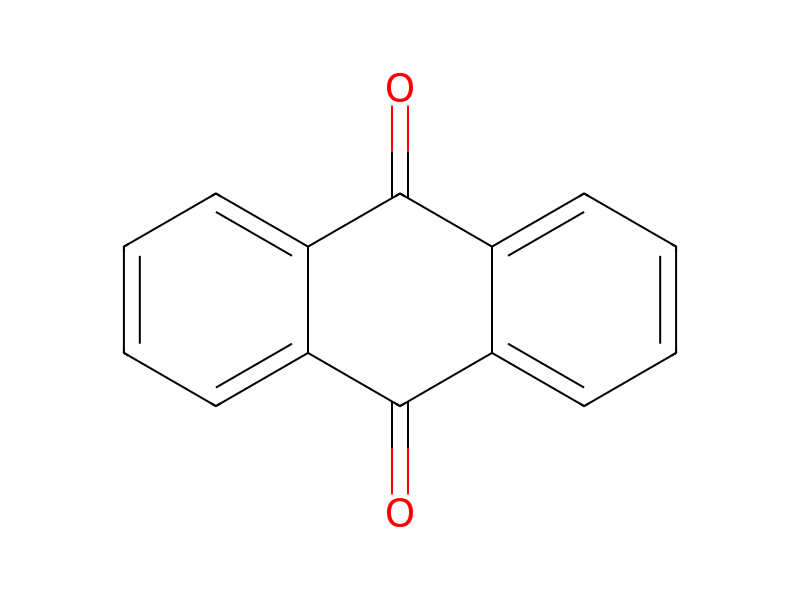
Reagents, catalysts & solvents 1

Procedure
A solution prepared by adding 0.02 part of methoquinone to a mixture comprising 24 parts of 1,4-diaminoanthraquinone and 70 parts of glycidyl methacrylate and dissolving the obtained mixture in 1000 parts of methanol was stirred under reflux for 8 hours. After the completion of the reaction, the reaction mixture was distilled to remove the methanol. The obtained viscous solid was subjected to extractive washing with petroleum ether to give a blue polymerizable anthraquinone dye D. The anthraquinone dye D is represented by the below chemical formula (V). ##STR5##
Workup
- customA solution prepared
- additionby adding 0.02 part of methoquinone to a mixture
- temperatureunder reflux for 8 hours
- customAfter the completion of the reaction
- distillationthe reaction mixture was distilled
- customto remove the methanol
- washto extractive washing with petroleum ether
Sources & evidence
- ORD record
- ord-a5026b87ddc24b209a08966e173b4c94
- Source dataset
- uspto-grants-1999_08
- Patent number
- US05942292
Reaction notes
Loading…