Citric Acid → Tricalcium Citrate
Reaction equation

[C:1]([OH:13])(=[O:12])[CH2:2][C:3]([CH2:8][C:9]([OH:11])=[O:10])([C:5]([OH:7])=[O:6])[OH:4].[Na].[OH-].[Ca+2:16].[OH-].[C:18]([OH:30])(=[O:29])[CH2:19][C:20]([CH2:25][C:26]([OH:28])=[O:27])([C:22]([OH:24])=[O:23])[OH:21].[Na]>O>[C:1]([O-:13])(=[O:12])[CH2:2][C:3]([CH2:8][C:9]([O-:11])=[O:10])([C:5]([O-:7])=[O:6])[OH:4].[Ca+2:16].[C:18]([O-:30])(=[O:29])[CH2:19][C:20]([CH2:25][C:26]([O-:28])=[O:27])([C:22]([O-:24])=[O:23])[OH:21].[Ca+2:16].[Ca+2:16]Participants
Reactant 4
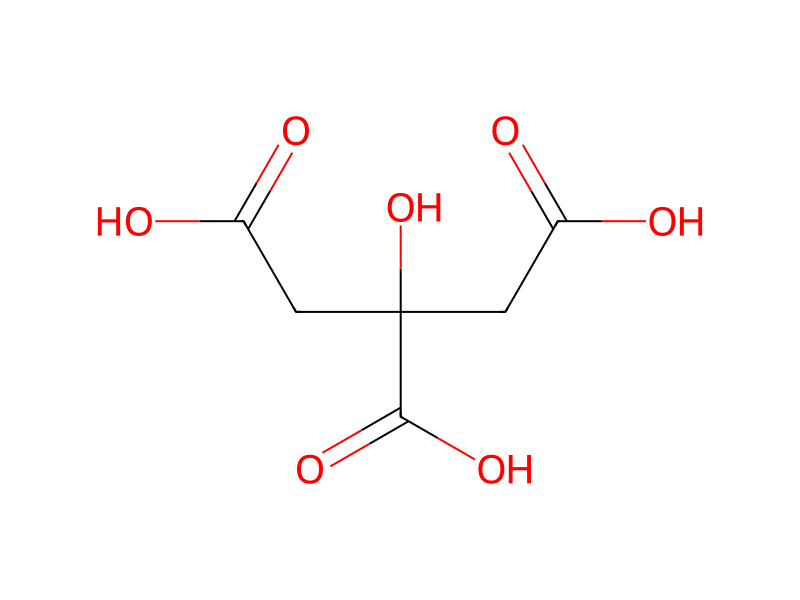



Product 1

Reagents, catalysts & solvents 1

Procedure
To produce this product, 1920 g. of anhydrous citric acid was dissolved in 6000 ml. water. Sodium caseinate (143 g.) (Alanate 155, New Zealand Milk Products) was dissolved in 1500 ml. hot water; this solution was then cooled to room temperature and mixed with the citric acid solution. A slurry of 1110 g. of calcium hydroxide in 1870 ml water was added quickly with stirring to the citric acid-sodium caseinate solution. Within two minutes of mixing, the temperature of the mixture increased from 70° F. to 150° F. A coarse caseinate-coated calcium citrate suspension was obtained that was continually stirred for about 45 minutes. During this period, the temperature dropped to 100° F. The suspension was homogenized for 10 minutes using a Ross laboratory homogenizer followed by one pass through the Dyno-Mill as in Example 2. The homogenization step facilitated the even pumping of the suspension through the Micromill.
Workup
- customTo produce this product, 1920 g
- additionWithin two minutes of mixing
- temperaturethe temperature of the mixture increased from 70° F. to 150° F
Sources & evidence
- ORD record
- ord-ef5bd7a06f6046ad9c91314275cc06a4
- Source dataset
- uspto-grants-1993_06
- Patent number
- US05219602
Reaction notes
Loading…