Perchloric Acid → Triamcinolone
Reaction equation

[CH3:1][C@@:2]12[C@@:10]([OH:15])([C:11]([CH2:13][OH:14])=[O:12])[C@H:9]([OH:16])[CH2:8][C@H:7]1[C@@H:6]1[CH2:17][CH2:18][C:19]3[C@@:25]([CH3:26])([C@@:5]1([F:27])[C@@H:4]([OH:28])[CH2:3]2)[CH:24]=[CH:23][C:21](=[O:22])[CH:20]=3.C([C:32]([NH2:34])=O)(=O)C.Cl(O)(=O)(=O)=O>ClCCl>[CH3:1][C@@:2]12[C@@:10]([OH:15])([C:11]([CH2:13][OH:14])=[O:12])[C@H:9]([OH:16])[CH2:8][C@H:7]1[C@@H:6]1[CH2:17][CH2:18][C:19]3[C@@:25]([CH3:26])([C@@:5]1([F:27])[C@@H:4]([OH:28])[CH2:3]2)[CH:24]=[CH:23][C:21](=[O:22])[CH:20]=3.[C:4]([CH2:3][CH2:2][CH2:10][C:9]([NH:34][CH3:32])=[O:16])(=[O:28])[CH3:5]Participants
6
Reactant 3
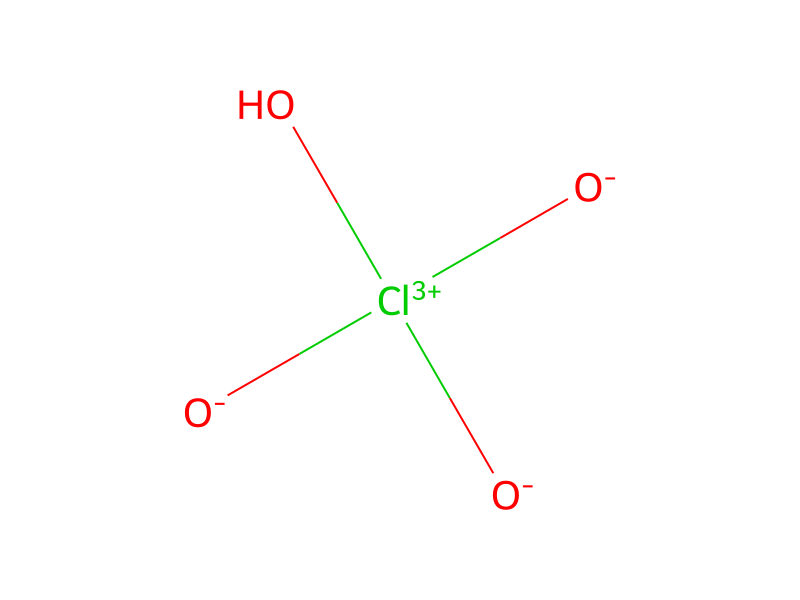


Product 2

Reagents, catalysts & solvents 1

Procedure
(VI) or triamcinolone is reacted with an acetylcarboxamide in a solution of dichloromethane in the presence of catalytic amount of perchloric acid to produce the corresponding 16α,17-aminocarbonylcyclic acetal pregnane derivatives, e.g., when triamcinolone and acetylpropyl (N-methyl) carboxamide are used the product is (XVIII) 9α-fluoro-11β, 21-dihydroxy-3,20-dioxo-16α,17-(methyl,methylaminocarbonyl-n-propyl)methylenedioxy-1,4-pregnadiene;
Sources & evidence
- ORD record
- ord-d594b8c18c3d44f59eeba5332ff19301
- Source dataset
- uspto-grants-1993_04
- Patent number
- US05200518
Reaction notes
Loading…