Water → 4-(2,3-Difluorophenyl)-6-(3-chloro-2-propynyloxy)pyrimidine
Reaction equation

[F:1][C:2]1[C:7]([F:8])=[CH:6][CH:5]=[CH:4][C:3]=1[C:9]1[CH:14]=[C:13]([O:15][CH2:16][C:17]#[CH:18])[N:12]=[CH:11][N:10]=1.C(=O)([O-])[O-].[K+].[K+].O.C(Cl)(Cl)(Cl)[Cl:27]>[Cl-].C([N+](CCCC)(CCCC)CCCC)CCC>[F:1][C:2]1[C:7]([F:8])=[CH:6][CH:5]=[CH:4][C:3]=1[C:9]1[CH:14]=[C:13]([O:15][CH2:16][C:17]#[C:18][Cl:27])[N:12]=[CH:11][N:10]=1Participants
6
Reactant 4




Product 1

Reagents, catalysts & solvents 1
Procedure
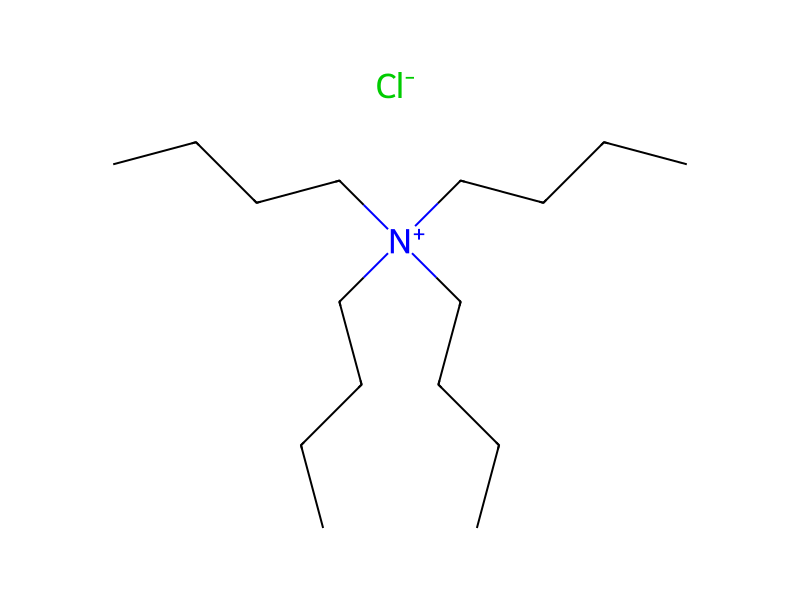
In 5 ml of carbon tetrachloride was dissolved 241 mg of 4-(2,3-difluorophenyl)-6-(2-propynyloxy)pyrimidine, to which 136 mg of potassium carbonate and 136 mg of tetra-n-butylammonium chloride were added, followed by stirring at room temperature for 16 hours. The reaction mixture was then poured into water and extracted with ethyl acetate. The organic layer was washed with a saturated aqueous sodium chloride solution, dried over anhydrous magnesium sulfate, and then concentrated. The resulting residue was subjected to silica gel column chromatography to give 159 mg of 4-(2,3-difluorophenyl)-6-(3-chloro-2-propynyloxy)pyrimidine (the present compound (136)).
Workup
- extractionextracted with ethyl acetate
- washThe organic layer was washed with a saturated aqueous sodium chloride solution
- dry with materialdried over anhydrous magnesium sulfate
- concentrationconcentrated
Sources & evidence
- ORD record
- ord-a3de8785b3dc4116b9d5ca5bbc4cd632
- Source dataset
- uspto-grants-2007_11
- Patent number
- US07291730B2
Reaction notes
Loading…