Hydroquinone → (2-Methoxy-2-methyl-1,3-dioxolan-4-yl)methyl prop-2-enoate
Reaction equation

[CH2:1]1[O:3][CH:2]1[CH2:4][OH:5].[C:6]([OH:10])(=[O:9])[CH:7]=[CH2:8].Cl.C(N([CH2:17][CH3:18])CC)C.[C:19]1(C=CC(O)=CC=1)[OH:20].C(O)(=O)C=C.C1(C=CC(O)=CC=1)O>>[C:6]([O:10][CH2:1][CH:2]1[CH2:4][O:5][C:17]([O:20][CH3:19])([CH3:18])[O:3]1)(=[O:9])[CH:7]=[CH2:8]Participants
6




Conditions
- Temperature
- 125 °C
Procedure
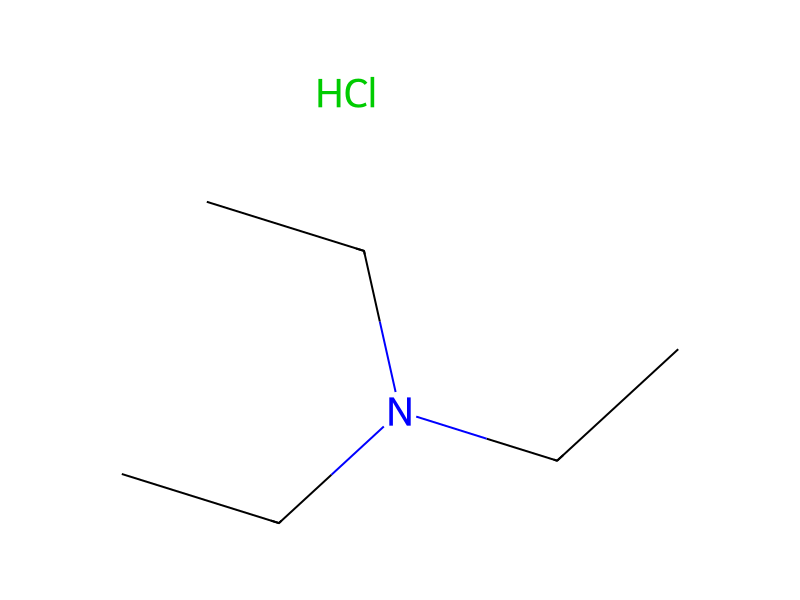
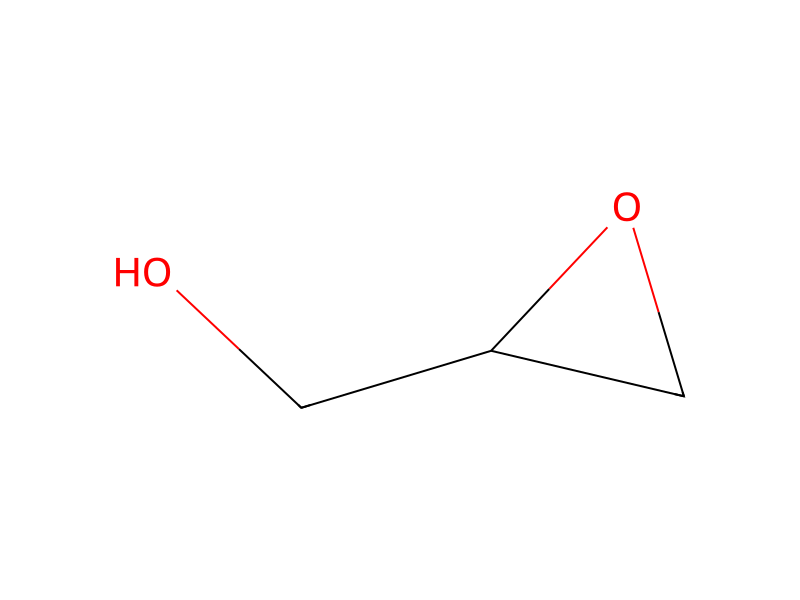
Glycidol and acrylic acid which comprises 6.4% by weight of triethylamine hydrochloride and 0.6% by weight of hydroquinone were metered together into a loop reactor heated to 125° C. The metering rate for glycidol was 40 g/h; that for the acrylic acid/hydroquinone/catalyst solution was 41 g/h. The residence time was approx. 15 min. The effluent of the loop reactor within one hour was collected, cooled and admixed with 69 g of trimethyl orthoacetate. The mixture was stirred at 25° C. for 1 hour. A crude product of the 4-acryloyloxymethyl-2-methoxy-2-methyl-1,3-dioxolane was obtained in a yield of 63% by GC analysis.
Workup
- customwere metered together into a loop reactor
- customThe effluent of the loop reactor within one hour was collected
- temperaturecooled
Sources & evidence
- ORD record
- ord-e1a6fa5c030046dfb3f7edae816e5166
- Source dataset
- uspto-grants-2007_11
- Patent number
- US07297812B2
Reaction notes
Loading…