Hydrochloric Acid → 2-Acetyl-4-chloro-1,5-dimethyl-6-oxo-1,6-dihydropyridine-3-carboxylic acid
Reaction equation

C([O:3][C:4]([C:6]1[C:11]([Cl:12])=[C:10]([CH3:13])[C:9](=[O:14])[N:8]([CH3:15])[C:7]=1[C:16](=[O:18])[CH3:17])=[O:5])C.[Li+].[OH-].Cl>C1COCC1.O>[C:16]([C:7]1[N:8]([CH3:15])[C:9](=[O:14])[C:10]([CH3:13])=[C:11]([Cl:12])[C:6]=1[C:4]([OH:5])=[O:3])(=[O:18])[CH3:17]Participants
5
Reactant 3



Product 1

Reagents, catalysts & solvents 1
Procedure
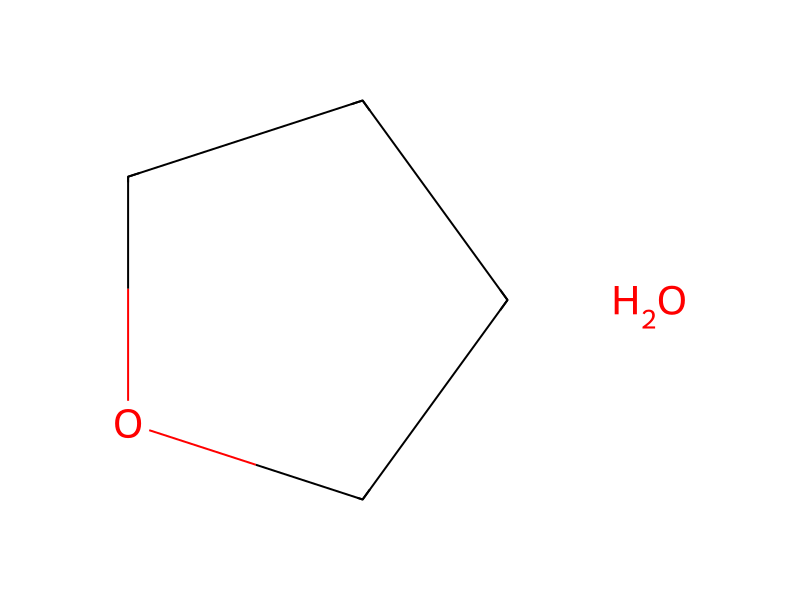
To a solution of 2-acetyl-4-chloro-1,5-dimethyl-6-oxo-1,6-dihydropyridine-3-carboxylic acid ethyl ester (1.00 equivalent) in THF:water (4:1) is added 1 M aqueous LiOH solution (2.05 equivalents). After 30 minutes, the reaction mixture is acidified to pH ˜1 with 1 N HCl solution and extracted with ethyl acetate. The combined organic extracts are dried (MgSO4) and concentrated under reduced pressure to give the desired product which is used directly without further purification.
Workup
- extractionextracted with ethyl acetate
- dry with materialThe combined organic extracts are dried (MgSO4)
- concentrationconcentrated under reduced pressure
Sources & evidence
- ORD record
- ord-99b7cf4d4099400eb317131ba24131a7
- Source dataset
- uspto-grants-2010_06
- Patent number
- US07732616B2
Reaction notes
Loading…