Salicylaldehyde → 2-(2-Morpholinoethoxy)benzaldehyde
Reaction equation

[CH:1](=[O:9])[C:2]1[C:3](=[CH:5][CH:6]=[CH:7][CH:8]=1)[OH:4].C([O-])([O-])=O.[K+].[K+].Cl.Cl[CH2:18][CH2:19][N:20]1[CH2:25][CH2:24][O:23][CH2:22][CH2:21]1>C(#N)C>[N:20]1([CH2:19][CH2:18][O:4][C:3]2[CH:5]=[CH:6][CH:7]=[CH:8][C:2]=2[CH:1]=[O:9])[CH2:25][CH2:24][O:23][CH2:22][CH2:21]1Participants
5
Reactant 3
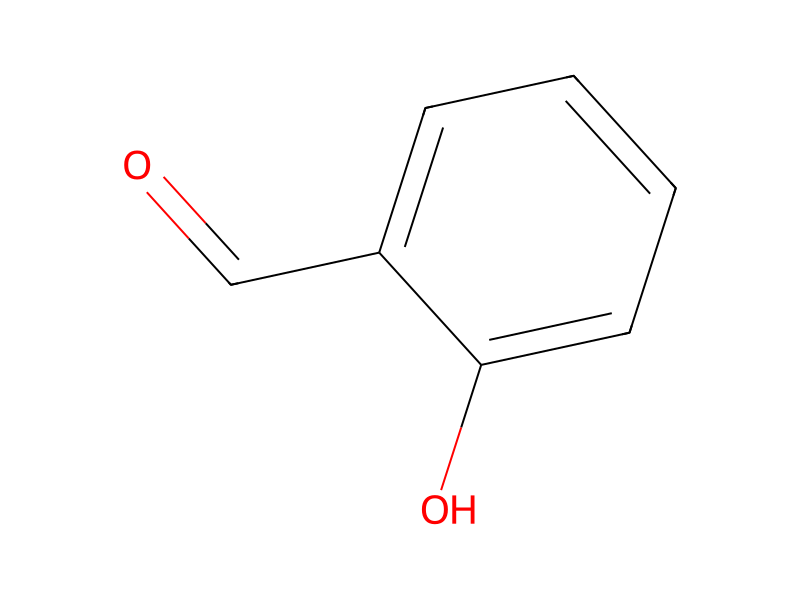


Product 1

Reagents, catalysts & solvents 1

Procedure
To a solution of salicylaldehyde (2 ml) in acetonitrile (20 ml) was added K2CO3 (5.71 g), followed by N-(2-choroethyl)morpholine hydrochloride (3.5 g) and then the mixture was stirred at room temperature for 2 hours, then at reflux overnight. The reaction mixture was cooled to room temperature, filtered, and the filtrate was concentrated in vacuo to afford 2-[2-(4-morpholinyl)ethoxy]benzaldehyde, as a yellow oil.
Workup
- temperatureat reflux overnight
- temperatureThe reaction mixture was cooled to room temperature
- filtrationfiltered
- concentrationthe filtrate was concentrated in vacuo
Sources & evidence
- ORD record
- ord-2cf109c26a4e4c3ba0ad1c179de7666f
- Source dataset
- uspto-grants-1998_04
- Patent number
- US05736548
Reaction notes
Loading…