Hydrogen Bromide → HCID 178515075, compound
Reaction equation

Br.CS(O)(=O)=O.[Cl:7][C:8]1[CH:9]=[CH:10][C:11]2[C:12](=[O:32])[C:13]3[C:21](=[O:22])[N:20]([C:23]4[CH:28]=[CH:27][C:26]([O:29]C)=[CH:25][CH:24]=4)[N:19]=[C:18]([OH:31])[C:14]=3[NH:15][C:16]=2[CH:17]=1>>[Cl:7][C:8]1[CH:9]=[CH:10][C:11]2[C:12](=[O:32])[C:13]3[C:21](=[O:22])[N:20]([C:23]4[CH:24]=[CH:25][C:26]([OH:29])=[CH:27][CH:28]=4)[N:19]=[C:18]([OH:31])[C:14]=3[NH:15][C:16]=2[CH:17]=1Participants
4

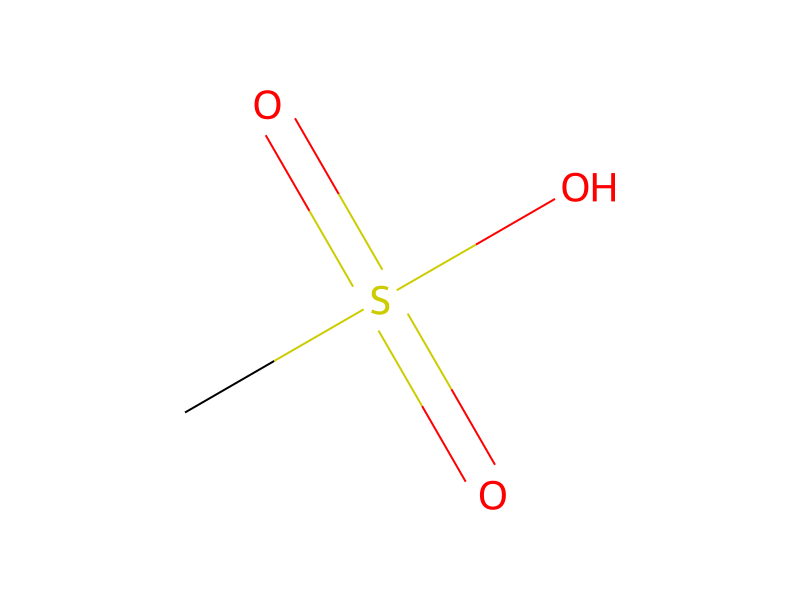


Conditions
- Temperature
- 110 °C
Procedure
To a 50 mL solution of 5: 1 48% HBr: methanesulfonic acid was added 7-chloro-4-hydroxy-2-(4-methoxyphenyl)-1,2,5,10-tetrahydropyridazino[4,5-b]quinoline-1,10-dione (1.0328 g, 27.9 mM). The resulting suspension was heated to 110° C. over 3.5 hours. HPLC analysis afforded a total conversion to a new material. The suspension was cooled to room temperature and filtered through a buchner funnel. The yellow solid was washed 2x with 100 mL portions of distilled water followed by 200 mL of a 1: 1 solution of THF: ether. The material was then washed with hexanes until the yellow solid was free flowing. This solid was allowed to air dryfor 72 hours prior to submission for analysis. No percent yield was recorded for this reaction.
Workup
- customHPLC analysis afforded a total conversion to a new material
- temperatureThe suspension was cooled to room temperature
- filtrationfiltered through a buchner funnel
- washThe yellow solid was washed 2x with 100 mL portions of distilled water
- washThe material was then washed with hexanes until the yellow solid
- customNo percent yield
- customwas recorded for this reaction
Sources & evidence
- ORD record
- ord-26808ca991a245b9a65eb57b4249ab0b
- Source dataset
- uspto-grants-1998_04
- Patent number
- US05744471
Reaction notes
Loading…