Sodium → HCID 19075380, compound
Reaction equation

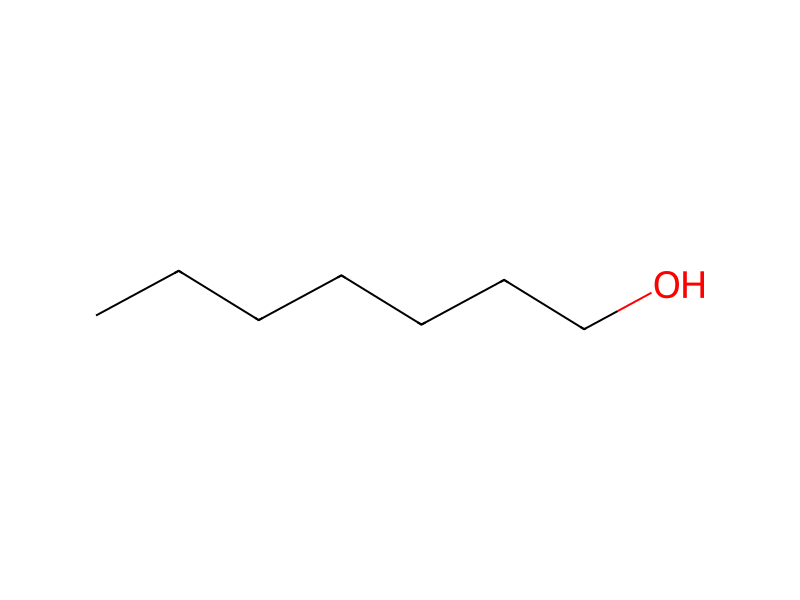
[Na].[C:2]([OH:7])(=[O:6])[C:3]([OH:5])=[O:4].Cl[C:9]1[C:13]([C:14]2[CH2:15][N:16]([CH3:20])[CH2:17][CH2:18][CH:19]=2)=[N:12][S:11][N:10]=1>C(O)CCCCCC>[C:2]([OH:7])(=[O:6])[C:3]([OH:5])=[O:4].[CH2:2]([O:7][C:9]1[C:13]([C:14]2[CH2:15][N:16]([CH3:20])[CH2:17][CH2:18][CH:19]=2)=[N:12][S:11][N:10]=1)[CH2:3][CH2:9][CH2:13][CH2:14][CH2:19][CH3:18]Participants
4
Reactant 2


Product 1

Reagents, catalysts & solvents 1
Conditions
- Temperature
- 50 °C
Procedure
To a solution of sodium (120 mg, 5 mmol) in 1-heptanol (10 ml) was added 3-(3-chloro-1,2,5-thiadiazol-4-yl)-1,2,5,6-tetrahydro-1-methylpyridine oxalate (310 mg, 1 mmol). The reaction mixture was stirred at 50° C. for 18 h. After evaporation the residue was dissolved in water and extracted with ethyl acetate. The ethyl acetate phase was dried and evaporated to give an oil. Crystallization as the oxalate salt from acetone gave the title compound. Yield: 270 mg (70%). (M.p. 152° C.; M+ : 295; Compound 21).
Workup
- customAfter evaporation the residue
- dissolutionwas dissolved in water
- extractionextracted with ethyl acetate
- dry with materialThe ethyl acetate phase was dried
- customevaporated
- customto give an oil
- customCrystallization as the oxalate salt from acetone
Sources & evidence
- ORD record
- ord-26cdd95b926a484985061325e6a9c90e
- Source dataset
- uspto-grants-1998_04
- Patent number
- US05744489
Reaction notes
Loading…