Ammonia → 2-Amino-4-bromo-5-chlorobenzoic acid
Reaction equation

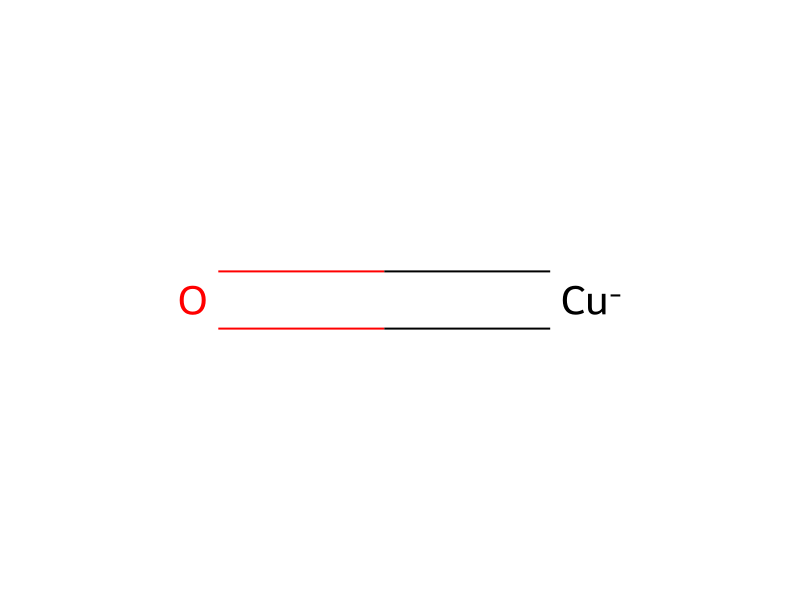
[NH3:1].[Cl:2][C:3]1[C:4]([Br:13])=[CH:5][C:6](Br)=[C:7]([CH:11]=1)[C:8]([OH:10])=[O:9].O=O.Cl>[Cu-]=O.C(OCC)(=O)C>[Br:13][C:4]1[CH:5]=[C:6]([NH2:1])[C:7](=[CH:11][C:3]=1[Cl:2])[C:8]([OH:10])=[O:9]Participants






Procedure
2.8 g (0.0196 mol) of copper(I) oxide are suspended in 120 ml (corresponding to 1.6 mol of NH3) of 25% aqueous ammonia solution under nitrogen. To this is added dropwise, at 25° C. with stirring and over the course of 40 minutes, a suspension of 63.2 g (0.2 mol) of 5-chloro-2,4-dibromobenzoic acid, 160 ml (corresponding to 2.14 mol of NH3) of 25% strength aqueous ammonia solution and 180 ml of ethyl acetate, with the exclusion of oxygen. The temperature rises to about 35° C. during the addition. Stirring is continued for 21/4 hours at30° C. Finally, 11.6 g (0.04 mol) of ethylenediaminetetraacetic acidis added to the mixture and the pH is adjusted to 3.1 by acidifying with hydrochloric acid. The ethyl acetate is distilled off at 90° C., the suspension is stirred at room temperature, and the anthranilic acid isfiltered off under suction and washed. 48.2 g of 4-bromo-5-chloroanthranilic acid is obtained as a pale-brown powder, corresponding to 96.2% of theory relative to 5-chloro-2,4-dibromobenzoic acid.
Workup
- additionTo this is added dropwise, at 25° C.
- additionThe temperature rises to about 35° C. during the addition
- stirringStirring
- custom4 hours
- additionFinally, 11.6 g (0.04 mol) of ethylenediaminetetraacetic acidis added to the mixture
- distillationThe ethyl acetate is distilled off at 90° C.
- stirringthe suspension is stirred at room temperature
- washwashed
Sources & evidence
- ORD record
- ord-f58670a327fc457a8be885ec8d9a4d3e
- Source dataset
- uspto-grants-1998_04
- Patent number
- US05744638
Reaction notes
Loading…