Hydrochloric Acid → HCID 1346149, compound
Reaction equation

[Br:1][C:2]1[CH:10]=[C:6]([C:7]([OH:9])=O)[C:5]([NH2:11])=[CH:4][CH:3]=1.[Cl:12][C:13]1[CH:18]=[CH:17][C:16]([N:19]=[C:20]=[O:21])=[CH:15][CH:14]=1.Cl.NC(N)=O>C(OCCCC)(=O)C.O>[Br:1][C:2]1[CH:10]=[C:6]2[C:5](=[CH:4][CH:3]=1)[NH:11][C:20](=[O:21])[N:19]([C:16]1[CH:17]=[CH:18][C:13]([Cl:12])=[CH:14][CH:15]=1)[C:7]2=[O:9]Participants
Reactant 4


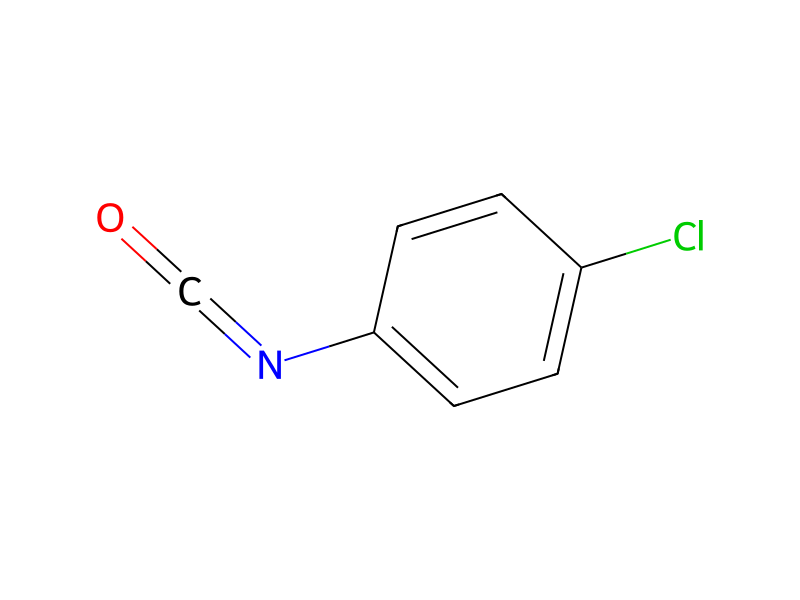

Product 1

Reagents, catalysts & solvents 2


Conditions
- Temperature
- 100 °C
Procedure
21.6 g of 5-bromoanthranilic acid and 15.4 g of 4-chlorophenyl isocyanate were reacted in a similar procedure as described in Example 1 in 200 ml of butyl acetate at 100° C. and with a further stirring time of 4 hours. 18 g of hydrogen chloride gas were then introduced into the suspension of the urea formed in the course of 30 minutes and the mixture was then further stirred at 100° C. for 3 hours. For the work-up of the reaction mixture, sufficient butyl acetate was first distilled off at atmospheric pressure until a thick suspension had resulted, then 200 ml of water were added and the product precipitated out was filtered off. After drying, 31.5 g (90% of theory) of 6-bromo-3-(4-chlorophenyl)-quinazoline-2,4-dione were obtained having a melting point of 212-214° C. (decomposition).
Workup
- customformed in the course of 30 minutes
- distillationFor the work-up of the reaction mixture, sufficient butyl acetate was first distilled off at atmospheric pressure until a thick suspension
- customhad resulted
- customthe product precipitated out
- filtrationwas filtered off
- customAfter drying
Sources & evidence
- ORD record
- ord-2c88c9cae45049038ed89b85f7997ffd
- Source dataset
- uspto-grants-1999_11
- Patent number
- US05977362
Reaction notes
Loading…