Trifluoroacetic acid → HCID 131719934, compound
Reaction equation

[C:1]([C:3]1[CH:20]=[CH:19][C:6]([C:7]([NH:9][N:10](C)[C:11](OC(C)(C)C)=O)=[O:8])=[CH:5][CH:4]=1)#[N:2].C1(OC)C=CC=CC=1.[C:29]([OH:35])([C:31]([F:34])([F:33])[F:32])=[O:30]>ClCCl>[F:32][C:31]([F:34])([F:33])[C:29]([OH:35])=[O:30].[C:1]([C:3]1[CH:4]=[CH:5][C:6]([C:7]([NH:9][NH:10][CH3:11])=[O:8])=[CH:19][CH:20]=1)#[N:2]Participants
5
Reactant 3

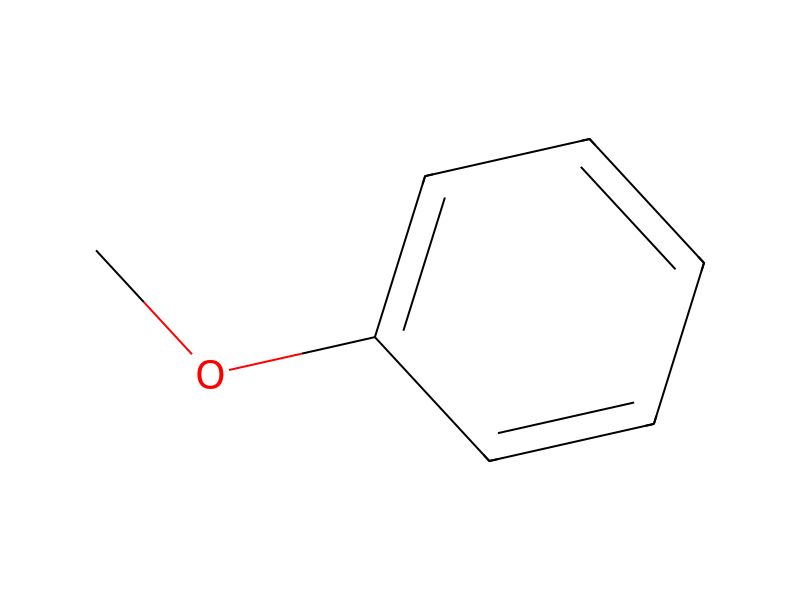

Product 1

Reagents, catalysts & solvents 1

Procedure
In a similar manner to Example 14, starting material step (b), the product of step (a) (2.2 g), anisole (2 ml), dichloromethane (20 ml) and TFA (27 ml) were reacted to give N-(4-cyanobenzoyl)-N'-methylhydrazine, trifluoroacetate salt (2.3 g), as a white solid: m.p. 131-134° C.; NMR Spectrum (DMSO-d6) 2.76 (3H, s), 8.00 (4H, s).
Sources & evidence
- ORD record
- ord-3d44033c55134ec9afe382cda72700ae
- Source dataset
- uspto-grants-1999_11
- Patent number
- US05981531
Reaction notes
Loading…