Sodium Hydroxide → HCID 19602326, compound
Reaction equation

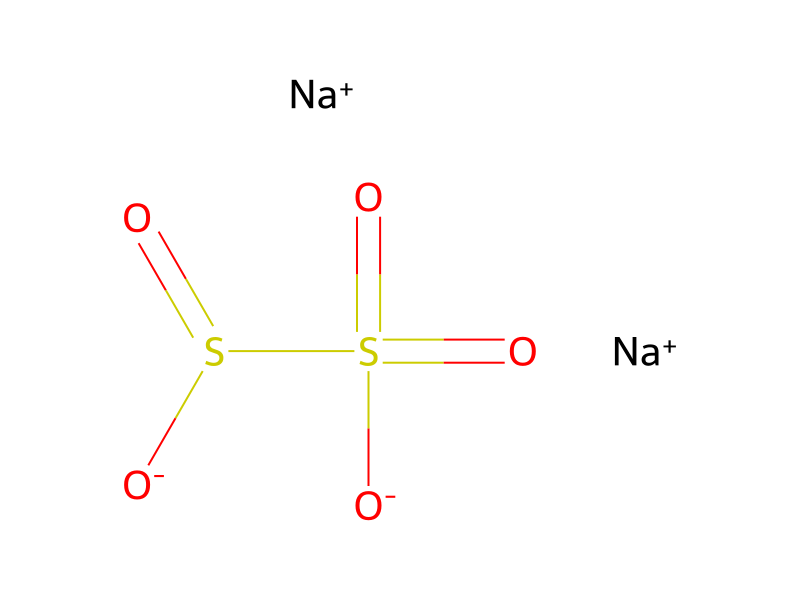
[CH2:1]([NH:3][C:4]([C:6]1[C:7]2[CH:18]=[CH:17][CH:16]=[CH:15][C:8]=2S[C:10]=1[Si:11]([CH3:14])([CH3:13])[CH3:12])=[O:5])[CH3:2].ClC1C=C(C=CC=1)C(OO)=O.[S:30](S([O-])=O)([O-:33])(=O)=[O:31].[Na+].[Na+].[OH-].[Na+]>C(Cl)Cl.[Cl-].[Na+].O>[CH2:1]([NH:3][C:4]([C:6]1[C:7]2[CH:8]=[CH:15][CH:16]=[CH:17][C:18]=2[S:30](=[O:33])(=[O:31])[C:10]=1[Si:11]([CH3:13])([CH3:12])[CH3:14])=[O:5])[CH3:2]Participants
7






Procedure
A mixture of the product of Example 8 (0.6 g, 2.2 mmol) and 1 g of 80-85% 3-chloroperoxybenzoic acid in 16 mL methylene chloride was refluxed for 2 h, then cooled and diluted with additional methylene chloride. The solution was treated sequentially with sat sodium metabisulfite, 1.25N NaOH, and brine; then dried and concentrated in vacuo. Flash chromatography of the residue with 35% ethyl acetate-hexane gave 0.5 g of the desired product as a white solid, a yield of 74.5%. m.p. 135-148° C.
Workup
- temperaturewas refluxed for 2 h
- temperaturecooled
- customthen dried
- concentrationconcentrated in vacuo
Sources & evidence
- ORD record
- ord-48a650f7eb8d41d4996e8be21e56e0e1
- Source dataset
- uspto-grants-1999_11
- Patent number
- US05994270
Reaction notes
Loading…