1-Bromopropane → methyl 2-[N-(5-bromo-2-propoxybenzyl)-N-ethylamino]pyridine-5-carboxylate
Reaction equation

Br[CH2:2][CH2:3][CH3:4].[Br:5][C:6]1[CH:7]=[CH:8][C:9]([OH:26])=[C:10]([CH:25]=1)[CH2:11][N:12]([C:15]1[CH:20]=[CH:19][C:18]([C:21]([O:23][CH3:24])=[O:22])=[CH:17][N:16]=1)[CH2:13][CH3:14].C(=O)([O-])[O-].[K+].[K+]>CN(C=O)C>[Br:5][C:6]1[CH:7]=[CH:8][C:9]([O:26][CH2:2][CH2:3][CH3:4])=[C:10]([CH:25]=1)[CH2:11][N:12]([C:15]1[CH:20]=[CH:19][C:18]([C:21]([O:23][CH3:24])=[O:22])=[CH:17][N:16]=1)[CH2:13][CH3:14]Participants
5
Reactant 3
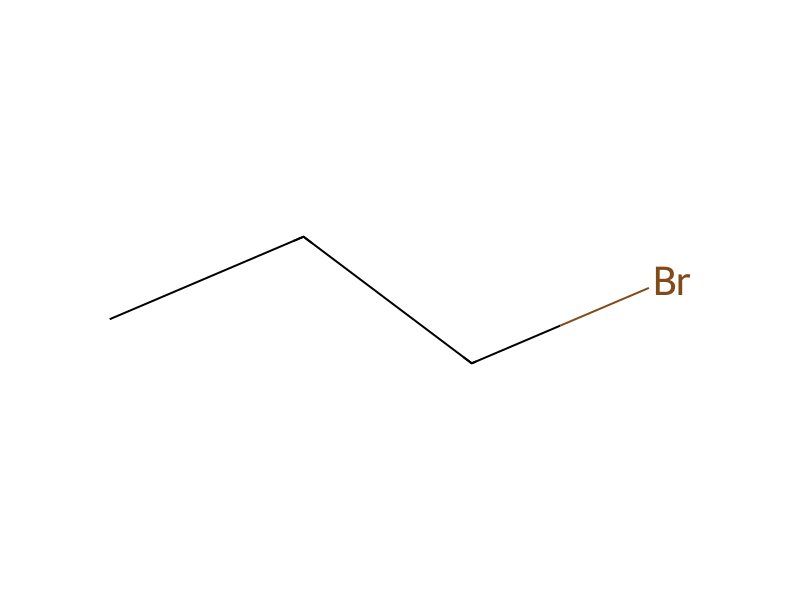


Product 1

Reagents, catalysts & solvents 1

Procedure
1-Bromopropane (0.12 g, 0.69 mmol) was treated with a solution of methyl 2-[N-(5-bromo-2-hydroxybenzyl)-N-ethylamino]-5-pyridylcarboxylate (0.2 g, 0.55 mmol) in DMF (4 ml). Potassium carbonate (230 mg, 1.7 mmol) was added to this solution and the reaction mixture was stirred for 18 hours. The solvent was evaporated and the residue taken up in water (4 ml) and extracted with ethyl acetate (3×3 ml). The combined extracts were evaporated and the residue subjected to chromatography (eluant: ethyl acetate/hexane) to give the title compound as a pale yellow oil (0.122 g, 54%) which was used in the subsequent step without further purification.
Workup
- customThe solvent was evaporated
- extractionextracted with ethyl acetate (3×3 ml)
- customThe combined extracts were evaporated
Sources & evidence
- ORD record
- ord-e11308629a88470ea96df9606330aa61
- Source dataset
- uspto-grants-1999_11
- Patent number
- US05994353
Reaction notes
Loading…