Potassium Carbonate → 6-chloro-2-methyl-7H-purine
Reaction equation

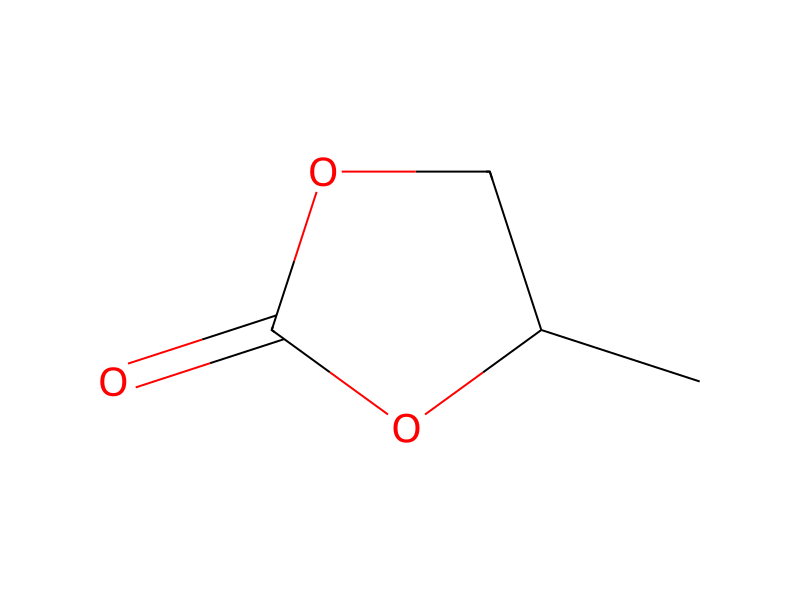
[Cl:1][C:2]1[N:10]=[CH:9][N:8]=[C:7]2[C:3]=1[NH:4][CH:5]=[N:6]2.[C:11](=O)([O-])[O-].[K+].[K+]>C1(=O)OC(C)CO1>[CH3:11][C:9]1[N:8]=[C:7]2[C:3]([NH:4][CH:5]=[N:6]2)=[C:2]([Cl:1])[N:10]=1Participants
Reactant 2


Product 1

Reagents, catalysts & solvents 1
Procedure
6-Chloropurine (dried over phosphorus pentoxide, 1.13 g), MBTG (3.87 g) and freshly-dried potassium carbonate (1.5 g) are stirred in anhydrous propylene carbonate (30 ml) at room temperature for 24 hours. The dark mixture is filtered and purified by column chromatography over silica 100 g) eluting with a 0-80% gradient of ethyl acetate in chloroform. The main fraction (other than unreacted 6-chlorpurine) is dried and recrystallized from boiling ethanol to yield methyl 6-chloropurine-9-(2',3',4'-tri-O-acetyl-β-D-glucopyranuronate (312 mg) and benzylamine (171 μl) are heated together in 1-butanol (13.5 ml) at 100° C. for 1 hour. The solid dissolves readily to give a clear yellow solution. Most of the butanol is removed under vacuum to yield a whitish solid which is shaken with 5% sodium hydroxide in 50% aqueous ethanol (25 ml) for 1-2 hours at room temperature. After neutralization, the product is dried under vacuum to remove traces of butanol. Crude BA9GN sodium salt is then purified by reverse-phase chromatography as in Method 1.
Workup
- filtrationThe dark mixture is filtered
- custompurified by column chromatography over silica 100 g)
- washeluting with a 0-80% gradient of ethyl acetate in chloroform
- dry with materialThe main fraction (other than unreacted 6-chlorpurine) is dried
- customrecrystallized
Sources & evidence
- ORD record
- ord-71a4a81d0ef542fab0a66784d9bd52a1
- Source dataset
- uspto-grants-1999_11
- Patent number
- US05994629
Reaction notes
Loading…