Triethylamine → HCID 178460115, compound
Reaction equation

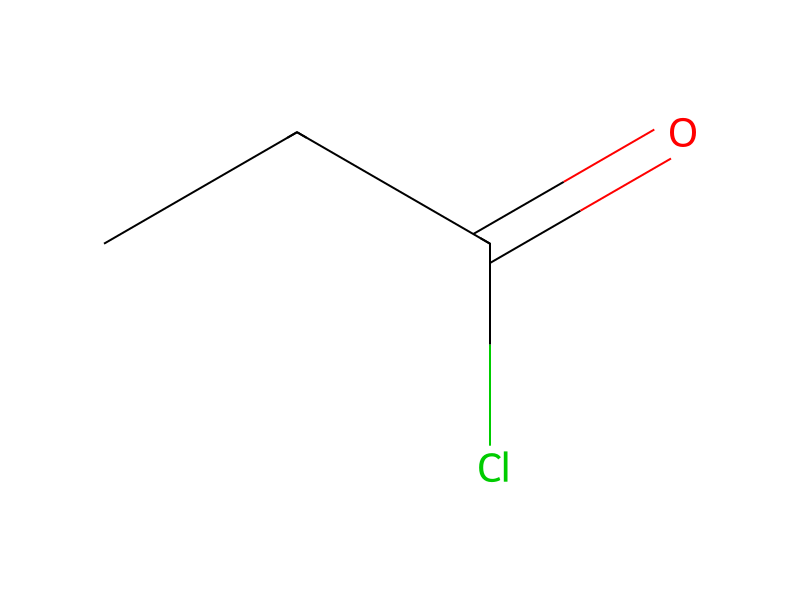
[NH:1]=[C:2]1[C:6]2[CH:7]=[CH:8][CH:9]=[CH:10][C:5]=2[SH:4](=[O:17])([C:11]2[CH:16]=[CH:15][CH:14]=[CH:13][CH:12]=2)[NH:3]1.[C:18](Cl)(=[O:21])[CH2:19][CH3:20].C(N(CC)CC)C>C(Cl)(Cl)Cl>[C:18]([N:1]=[C:2]1[C:6]2[CH:7]=[CH:8][CH:9]=[CH:10][C:5]=2[SH:4](=[O:17])([C:11]2[CH:12]=[CH:13][CH:14]=[CH:15][CH:16]=2)[NH:3]1)(=[O:21])[CH2:19][CH3:20]Participants
5
Reactant 3


Product 1

Reagents, catalysts & solvents 1

Procedure
From 12 g. 3-imino-1-phenyl-3H-1,2-benzisothiazole-1-oxide, 5 g. propionyl chloride and 6.6 g. triethylamine in chloroform, there is obtained, after heating under reflux for 3 hours and then working up the reaction mixture in the usual manner, the desired 3-(propionyl-imino)-1-phenyl-3H-1,2-benzisothiazole-1-oxide which, after recrystallisation from ethyl acetate, melts at 170°C.
Workup
- temperatureafter heating
- temperatureunder reflux for 3 hours
- customthe desired 3-(propionyl-imino)-1-phenyl-3H-1,2-benzisothiazole-1-oxide which, after recrystallisation from ethyl acetate, melts at 170°C.
Sources & evidence
- ORD record
- ord-6f0d2aeb73354c8e9a625681576aeaa5
- Source dataset
- uspto-grants-1976_04
- Patent number
- US03953464
Reaction notes
Loading…