Salicylic Acid → HCID 13066647, compound
Reaction equation

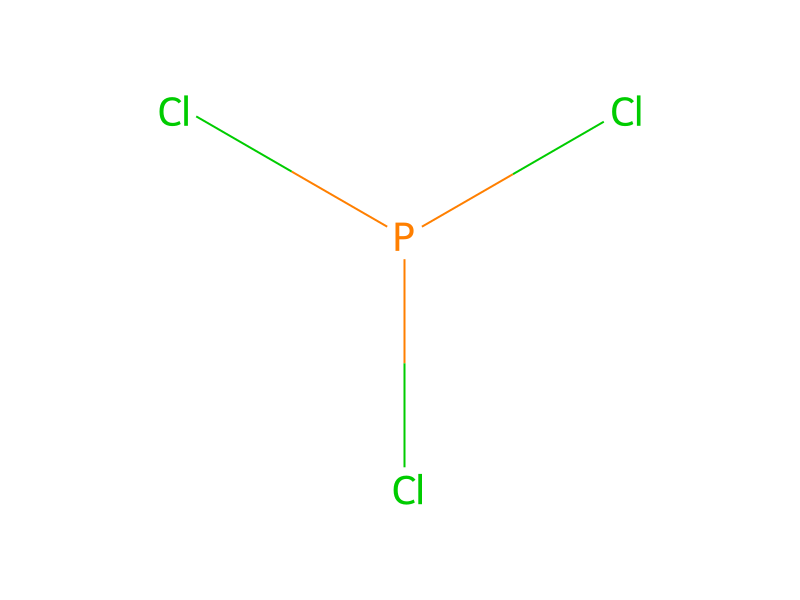
[NH2:1][C:2]1[CH:11]=[CH:10][C:9]([NH2:12])=[CH:8][C:3]=1[C:4]([O:6][CH3:7])=[O:5].[C:13]([OH:22])(=O)[C:14]1[C:15](=[CH:17][CH:18]=[CH:19][CH:20]=1)[OH:16].P(Cl)(Cl)Cl>>[C:13]([NH:1][C:2]1[CH:11]=[CH:10][C:9]([NH:12][C:13](=[O:22])[C:14]2[C:15](=[CH:17][CH:18]=[CH:19][CH:20]=2)[OH:16])=[CH:8][C:3]=1[C:4]([O:6][CH3:7])=[O:5])(=[O:22])[C:14]1[C:15](=[CH:17][CH:18]=[CH:19][CH:20]=1)[OH:16]Participants
4



Procedure
By the procedure similar to that described in Example 15, methyl 2,5-diaminobenzoate was condensed with salicylic acid with the aid of phosphorus trichloride to obtain methyl 2,5-bis(salicylamido)-benzoate (Yield; 54%). The product was confirmed to be identical to that obtained in Example 4.
Sources & evidence
- ORD record
- ord-e23dc1342bde4dbe9bd5e6441c9d07b1
- Source dataset
- uspto-grants-1976_04
- Patent number
- US03953496
Reaction notes
Loading…