Hydrochloric Acid → 4-Hydroxydibenzothiophene
Reaction equation

[CH:1]1[C:9]2[C:8]3[CH:10]=[CH:11][CH:12]=[CH:13][C:7]=3[S:6][C:5]=2[CH:4]=[CH:3][CH:2]=1.CN(C)CCN(C)C.C([Li])CCC.B(OCCCC)(OCCCC)[O:28]CCCC.OO.Cl>CCOCC>[OH:28][C:4]1[C:5]2[S:6][C:7]3[CH:13]=[CH:12][CH:11]=[CH:10][C:8]=3[C:9]=2[CH:1]=[CH:2][CH:3]=1Participants






Procedure
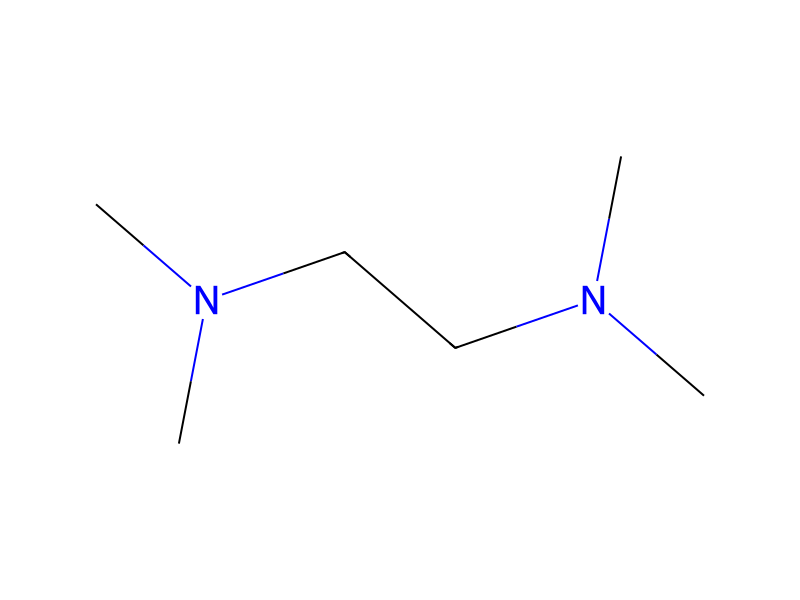
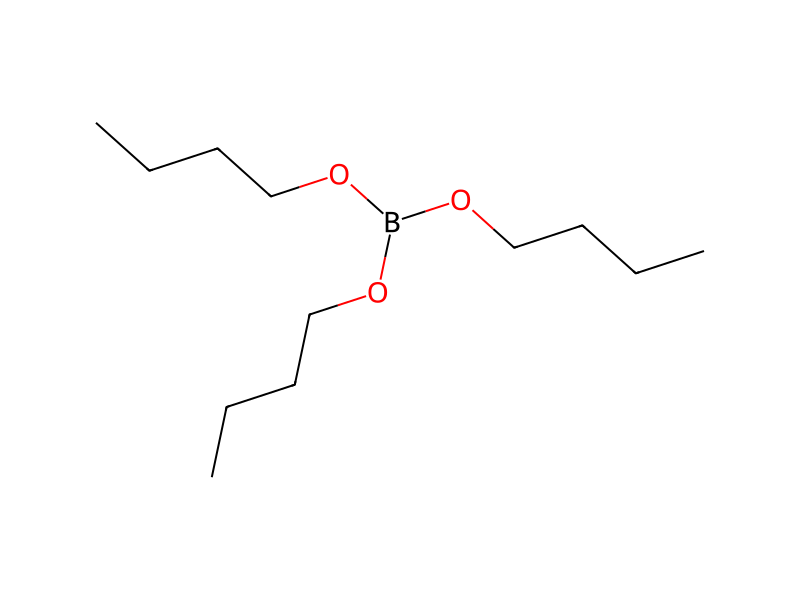
Dibenzothiophene (18.4 g, 0.10 mole) and N,N,N',N'-tetramethylethylenediamine (14.0 g, 0.12 mole) were dissolved in 200 ml dry ether. Butyl lithium (0.1 mole) in ether was added dropwise under stirring at room temperature. The reaction mixture was then refluxed for 1 hour. The mixture was cooled to -70°C and freshly distilled tributyl borate (23.0 g, 0.10 mole) was added. After stirring for 2 hours the solution was allowed to warm up to room temperature. Perhydrol (19 ml) was added dropwise and the mixture was refluxed for 1.5 hours. Hydrochloric acid was added and the ether was separated. The ether was washed with 10 % ferrous ammonium sulphate solution and then extracted with sodium hydroxide solution. The alkaline aqueous solution was acidified and extracted with ether, which after evaporation gave 11.4 g (57 %) beige crystals. Recrystallization from aqueous methanol gave light-brownish needles with m.p. 167°-168°.
Workup
- temperatureThe reaction mixture was then refluxed for 1 hour
- temperatureThe mixture was cooled to -70°C
- stirringAfter stirring for 2 hours the solution
- temperatureto warm up to room temperature
- temperaturethe mixture was refluxed for 1.5 hours
- customthe ether was separated
- washThe ether was washed with 10 % ferrous ammonium sulphate solution
- extractionextracted with sodium hydroxide solution
- extractionextracted with ether, which
- customafter evaporation
Sources & evidence
- ORD record
- ord-aeee70ae34534c3ab16480b05e85c902
- Source dataset
- uspto-grants-1976_04
- Patent number
- US03953601
Reaction notes
Loading…