Sodium Hydroxide → 4-chlorophenyl-4-methyl-4,5-dihydro-1H-pyrazole
Reaction equation

CN(C)CC(C)C([C:7]1[CH:12]=[CH:11][C:10]([Cl:13])=[CH:9][CH:8]=1)=O.O.NN.[OH-].[Na+].ClC1C=CC([C:28]2[CH:32]([CH3:33])[CH2:31][NH:30][N:29]=2)=CC=1>C(O)CC>[Cl:13][C:10]1[CH:9]=[CH:8][C:7]([N:30]2[CH2:31][CH:32]([CH3:33])[CH:28]=[N:29]2)=[CH:12][CH:11]=1Participants
6
Reactant 4




Product 1

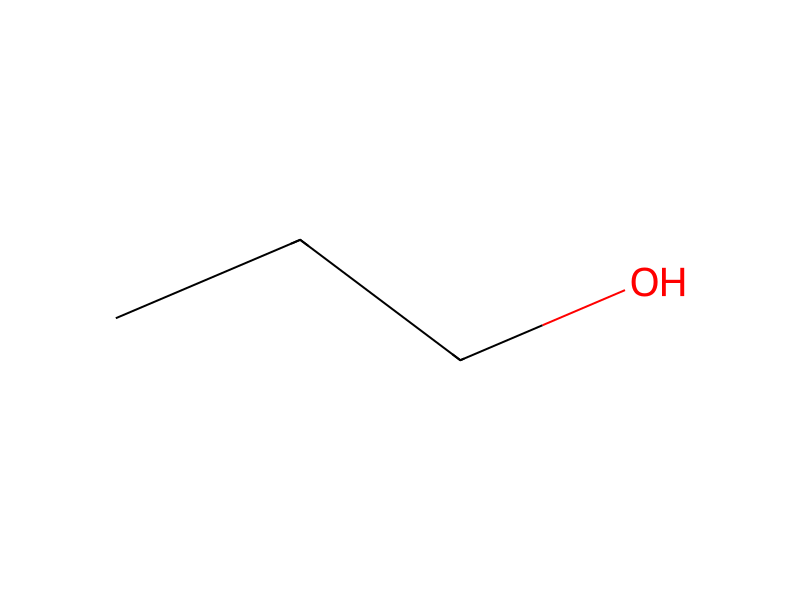
Reagents, catalysts & solvents 1
Procedure
In a 500 ml round bottomed flask equipped with a reflux condensor was placed 100 g of 3-dimethylamino-2-methyl-4'-chloropropiophenone (0.47 mole), 200 ml of n-propanol, 48 g of hydrazine monohydrate (0.96 mole), and 5 g of 50% aqueous sodium hydroxide. The mixture was refluxed for 2 hours. The solvent was removed in vacuo and the product was partitioned between methylene chloride and water. The organic layer was washed 3 times with water and dried over anyhdrous magnesium sulfate. The organic layer contains 82 g (0.42 mole) of 3-(4-chlorophenyl)-4-methyl-4,5-dihydro-1H-pyrazole an air sensitive solid. NMR data was consistent with the structure.
Workup
- customIn a 500 ml round bottomed flask equipped with a reflux condensor
- temperatureThe mixture was refluxed for 2 hours
- customThe solvent was removed in vacuo
- customthe product was partitioned between methylene chloride and water
- washThe organic layer was washed 3 times with water
- dry with materialdried over anyhdrous magnesium sulfate
Sources & evidence
- ORD record
- ord-9ab5de72b6cb42d0be72dc2e399be89d
- Source dataset
- uspto-grants-1989_09
- Patent number
- US04863947
Reaction notes
Loading…