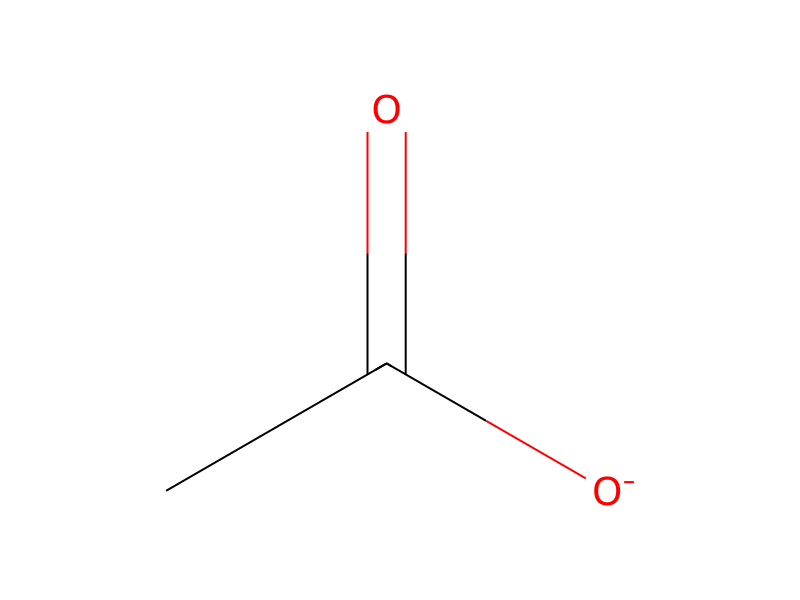
Acetate → HCID 178527090, compound
Reaction equation

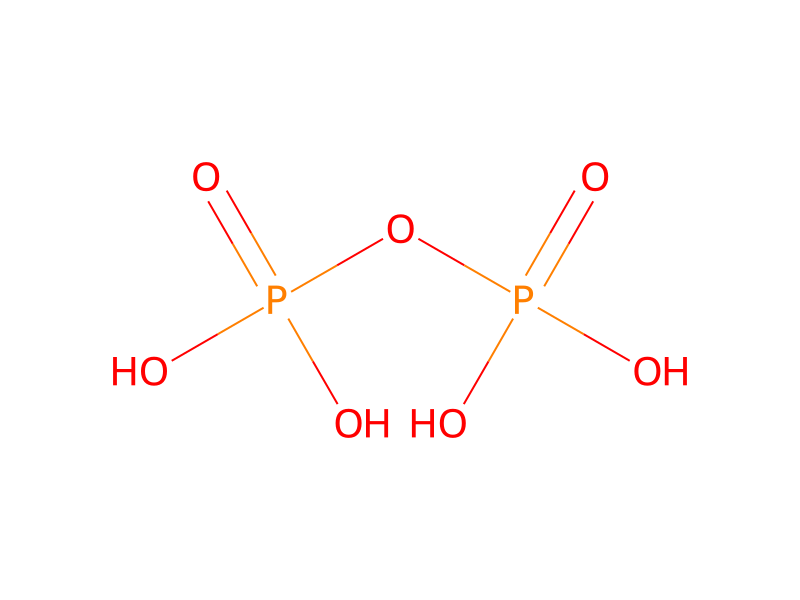
C([O-])(=O)C.[P:5]([O:9]P(O)(O)=O)([OH:8])([OH:7])=[O:6].[C@@H:14]1([N:23]2[C:32]3[N:31]=[CH:30][N:29]=[C:27]([OH:28])[C:26]=3[N:25]=[CH:24]2)[O:22][C@H:19]([CH2:20]O)[C@@H:17]([OH:18])[C@H:15]1[OH:16]>>[C@@H:14]1([N:23]2[C:32]3[N:31]=[CH:30][N:29]=[C:27]([OH:28])[C:26]=3[N:25]=[CH:24]2)[O:22][C@H:19]([CH2:20][O:9][P:5]([OH:7])([OH:8])=[O:6])[C@@H:17]([OH:18])[C@H:15]1[OH:16]Participants
4


Procedure
Cells of Escherichia coli JM109 introduced with each of the aforementioned mutant EB-AP genes were added at a density of 100 mg/dl in terms of dry cell weight to a solution in an acetate buffer (pH 4.0) containing 12 g/dl of pyrophosphoric acid and 6 g/dl of inosine, and reaction was performed at 30° C. for 24 hours while pH was maintained at 4.0. The results of measurement of the produced amount of 5′-inosinic acid are shown in Table 4. The produced inosinic acid consisted only of 5′-inosinic acid, and 2′-inosinic acid and 3′-inosinic acid byproducts were not observed at all.
Workup
- additionCells of Escherichia coli JM109 introduced with each of the aforementioned mutant EB-AP genes
- additioncontaining
- temperaturewas maintained at 4.0
Sources & evidence
- ORD record
- ord-90b712580efe4bac8c7a71c525de06b7
- Source dataset
- uspto-grants-2006_01
- Patent number
- US06987008B1
Reaction notes
Loading…