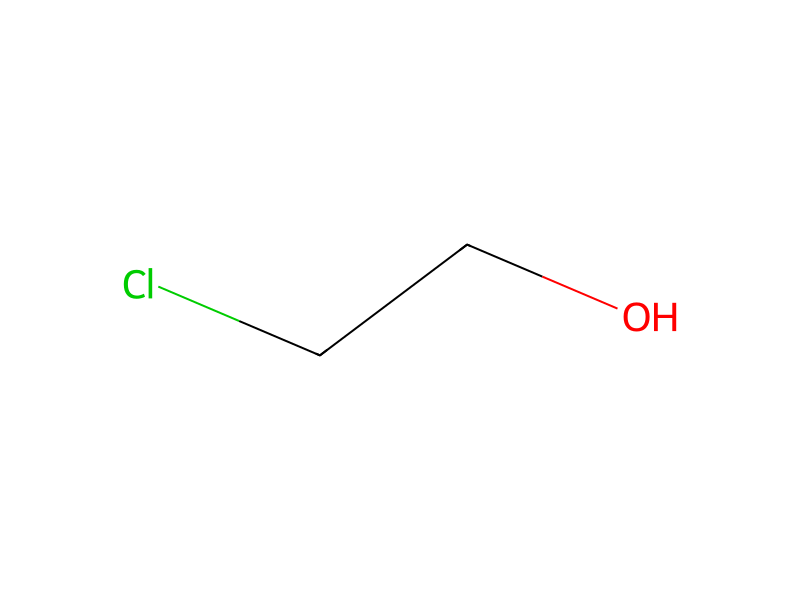
2-Chloroethanol → HCID 86744860, compound
Reaction equation

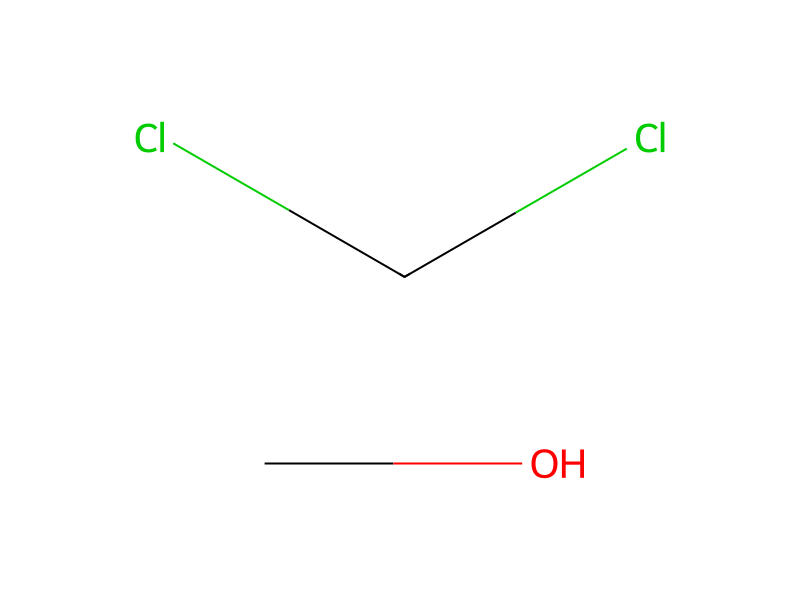
[N:1]1([C:6]2[CH:11]=[CH:10][C:9]([OH:12])=[CH:8][CH:7]=2)[CH:5]=[CH:4][N:3]=[CH:2]1.[Cl:13][CH2:14][CH2:15][OH:16].C(=O)([O-])[O-].[K+].[K+].C(N(CC)CC)C.[CH3:30][NH:31][S:32](Cl)(=[O:34])=[O:33]>C(C(C)=O)C.C(Cl)Cl.CO.C(Cl)Cl>[OH2:12].[ClH:13].[N:1]1([C:6]2[CH:11]=[CH:10][C:9]([O:12][CH2:14][CH2:15][O:16][S:32](=[O:34])(=[O:33])[NH:31][CH3:30])=[CH:8][CH:7]=2)[CH:5]=[CH:4][N:3]=[CH:2]1Participants
Reactant 5




Product 1

Reagents, catalysts & solvents 3


Conditions
- Temperature
- 10 °C
Procedure
A solution of 4-imidazol-1-yl-phenol (20.0 g, 0.125 mole), 2-chloroethanol (40.25 g, 0.50 mole) and potassium carbonate (69.0 g, 0.50 mol) in 500 ml of methyl ethyl ketone was heated at reflux for 48 hr as its progress was being monitored by TLC (methanol:methylene chloride 10:90). The reaction was then filtered, and the filtrate evaporated to a solid which was redissolved in hot isopropanol. The crystals which formed upon cooling were filtered, rinsed with isopropyl ether, and dried (7.36 g, 28.9% yield, 1H NMR: 95% pure). This intermediate alcohol (6.0 g, 0.029 mole) was suspended in methylene chloride (60 ml) and triethylamine (3.51 g, 0.0348 mole) added to the stirring suspension. The reaction was chilled at 10° C. and methylsulfamoyl chloride (4.51 g, 0.0348 mole) added dropwise allowing reaction to slowly warm to room temperature. After 1 hr of stirring, TLC indicated reaction was not complete so it was treated with additional 0.03 mole of base and methylsulfamoyl chloride and stirred overnight. After the reaction had gone to completion, it was evaporated to a residue. The residue was dissolved in ethyl acetate/acetonitrile (1:1) (200 ml) and washed with sodium bicarbonate/sodium chloride (1:1) (2×200 ml). The organic layer was evaporated and redissolved in hot ethanol. Upon cooling, crystals precipitated and were filtered and dried. They were then dissolved in methanol and anhydrous HCl in isopropyl alcohol added. A carbon filtration was done and the methanol evaporated as more isopropanol was added. Off-white crystals precipitated and were filtered, dried, and analyzed (4.14 g, 42%, mp 85°-88° C.).
Workup
- temperatureat reflux for 48 hr as its progress
- filtrationThe reaction was then filtered
- customthe filtrate evaporated to a solid which
- dissolutionwas redissolved in hot isopropanol
- customThe crystals which formed
- temperatureupon cooling
- filtrationwere filtered
- washrinsed with isopropyl ether
- customdried (7.36 g, 28.9% yield, 1H NMR: 95% pure)
- customreaction
- temperatureto slowly warm to room temperature
- customreaction
- stirringstirred overnight
- customwas evaporated to a residue
- dissolutionThe residue was dissolved in ethyl acetate/acetonitrile (1:1) (200 ml)
- washwashed with sodium bicarbonate/sodium chloride (1:1) (2×200 ml)
- customThe organic layer was evaporated
- dissolutionredissolved in hot ethanol
- temperatureUpon cooling
- customcrystals precipitated
- filtrationwere filtered
- customdried
- dissolutionThey were then dissolved in methanol
- additionanhydrous HCl in isopropyl alcohol added
- filtrationA carbon filtration
- customthe methanol evaporated as more isopropanol
- additionwas added
- customOff-white crystals precipitated
- filtrationwere filtered
- customdried
Sources & evidence
- ORD record
- ord-1dea8dd2fb5f4e28b0b783e29ab9fd27
- Source dataset
- uspto-grants-1993_03
- Patent number
- US05194446
Reaction notes
Loading…