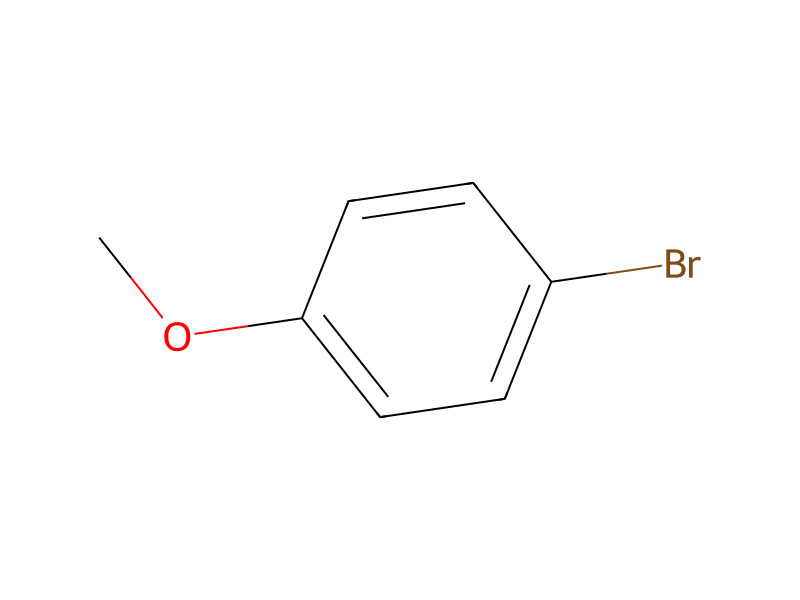
4-Bromoanisole → Methyl 2-(4-methoxyphenyl)-1-oxo-1,2-dihydroisoquinoline-7-carboxylate
Reaction equation

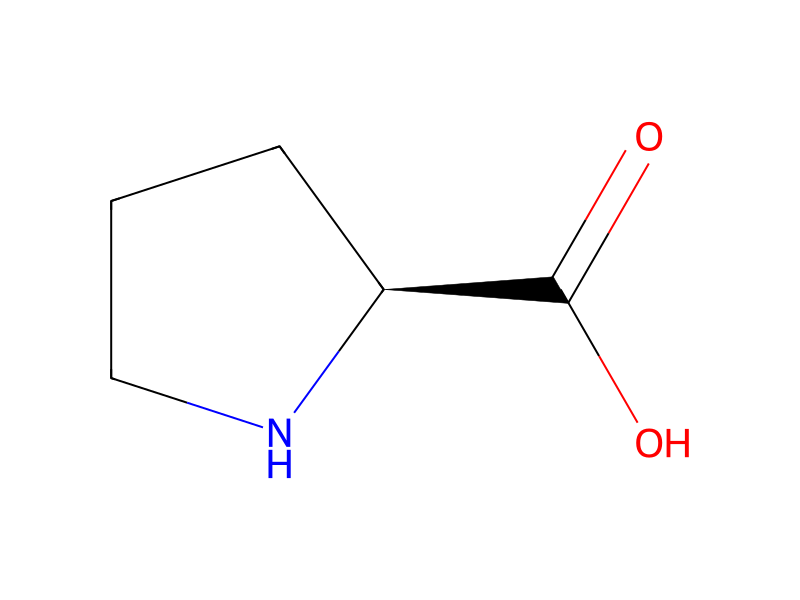
[O:1]=[C:2]1[C:11]2[C:6](=[CH:7][CH:8]=[C:9]([C:12]([O:14][CH3:15])=[O:13])[CH:10]=2)[CH:5]=[CH:4][NH:3]1.Br[C:17]1[CH:22]=[CH:21][C:20]([O:23][CH3:24])=[CH:19][CH:18]=1.N1CCC[C@H]1C(O)=O.C(=O)([O-])[O-].[K+].[K+]>CS(C)=O.[Cu]I.O>[CH3:24][O:23][C:20]1[CH:21]=[CH:22][C:17]([N:3]2[CH:4]=[CH:5][C:6]3[C:11](=[CH:10][C:9]([C:12]([O:14][CH3:15])=[O:13])=[CH:8][CH:7]=3)[C:2]2=[O:1])=[CH:18][CH:19]=1Participants
Reactant 4


Product 1

Reagents, catalysts & solvents 3



Conditions
- Temperature
- 120 °C
Procedure
To a solution of methyl 1-oxo-1,2-dihydroisoquinoline-7-carboxylate (80 mg, 0.4 mmol) and p-bromoanisole (73.9 μL, 0.6 mmol) in dimethyl sulfoxide (2 mL) was added L-proline (18 mg, 0.16 mmol), potassium carbonate (0.11 g, 0.79 mmol) and copper(I) iodide (15 mg, 0.079 mmol). The reaction mixture was heated to 120° C. and stirred overnight. The mixture was then cooled to rt, water added and extracted with DCM (15 mL, 3×). The combined organic phases were then washed with water, and brine, dried over anhydrous Na2SO4, filtered and concentrated. The crude residue was purified by flash silica gel chromatography (0% to 50% EtOAc/hexanes) to afford methyl 2-(4-methoxyphenyl)-1-oxo-1,2-dihydroisoquinoline-7-carboxylate (30 mg, 20%). LC-MS: (FA) ES+ 310.
Workup
- temperatureThe mixture was then cooled to rt
- extractionextracted with DCM (15 mL, 3×)
- washThe combined organic phases were then washed with water, and brine
- dry with materialdried over anhydrous Na2SO4
- filtrationfiltered
- concentrationconcentrated
- customThe crude residue was purified by flash silica gel chromatography (0% to 50% EtOAc/hexanes)
Sources & evidence
- ORD record
- ord-3f6489c45cd24093989a293824bae81a
- Source dataset
- uspto-grants-2014_07
- Patent number
- US08765773B2
Reaction notes
Loading…