Iodine → HCID 58574195, compound
Reaction equation

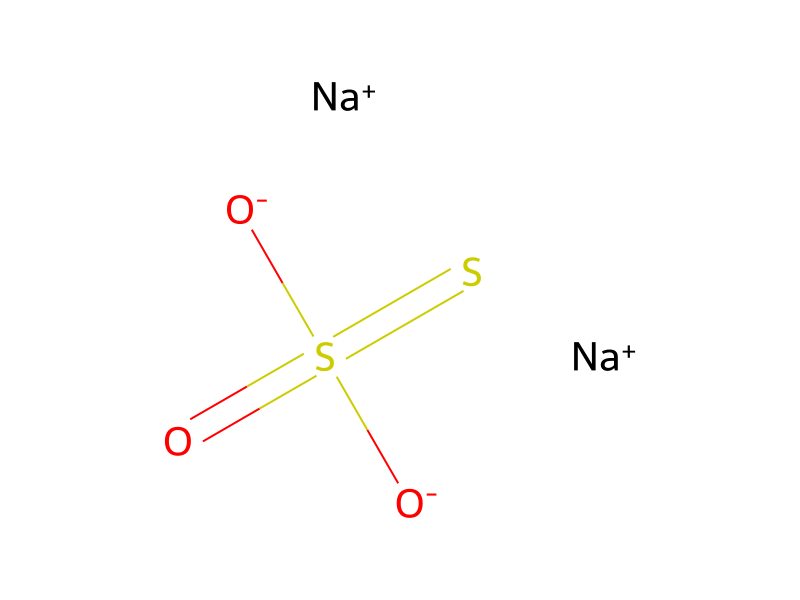
[Br:1][C:2]1[CH:3]=[CH:4][C:5]([C:23](=[O:26])[NH:24][CH3:25])=[C:6]([NH:8][C:9]([CH:11]2[CH2:15][CH2:14][CH2:13][N:12]2C(OC(C)(C)C)=O)=O)[CH:7]=1.C[Si](C)(C)N[Si](C)(C)C.II.[O-]S([O-])(=S)=O.[Na+].[Na+]>C(Cl)Cl>[Br:1][C:2]1[CH:7]=[C:6]2[C:5]([C:23](=[O:26])[N:24]([CH3:25])[C:9]([CH:11]3[CH2:15][CH2:14][CH2:13][NH:12]3)=[N:8]2)=[CH:4][CH:3]=1Participants
6
Reactant 4



Product 1

Reagents, catalysts & solvents 1

Procedure
The mixture of tert-butyl 2-(5-bromo-2-(methylcarbamoyl)phenylcarbamoyl)pyrrolidine-1-carboxylate (0.2 g, 0.47 mmol), hexamethyldisilazane (0.39 mL, 1.88 mmol), I2 (0.24 g, 0.94 mmol), and DCM (10 mL) was refluxed for 5 h under nitrogen atmosphere. Na2S2O3 aqueous solution was added to quench the reaction followed by cooling to room temperature. The organic layer was separated and the water layer was extracted with ethyl acetate (3×10 mL). The combined organic layers were washed with brine, dried over Na2SO4, filtered, and evaporated to give the desired product, which was directly used for the next step. MS (ESI): 308, 310 (MH+).
Workup
- temperaturewas refluxed for 5 h under nitrogen atmosphere
- customto quench the reaction
- customThe organic layer was separated
- extractionthe water layer was extracted with ethyl acetate (3×10 mL)
- washThe combined organic layers were washed with brine
- dry with materialdried over Na2SO4
- filtrationfiltered
- customevaporated
Sources & evidence
- ORD record
- ord-38bbbf828ad84c22a2a663bbb3a8cd91
- Source dataset
- uspto-grants-2014_07
- Patent number
- US08772301B2
Reaction notes
Loading…