Benzoic Acid → 6-Bromo-2-phenylbenzo[d]oxazole
Reaction equation

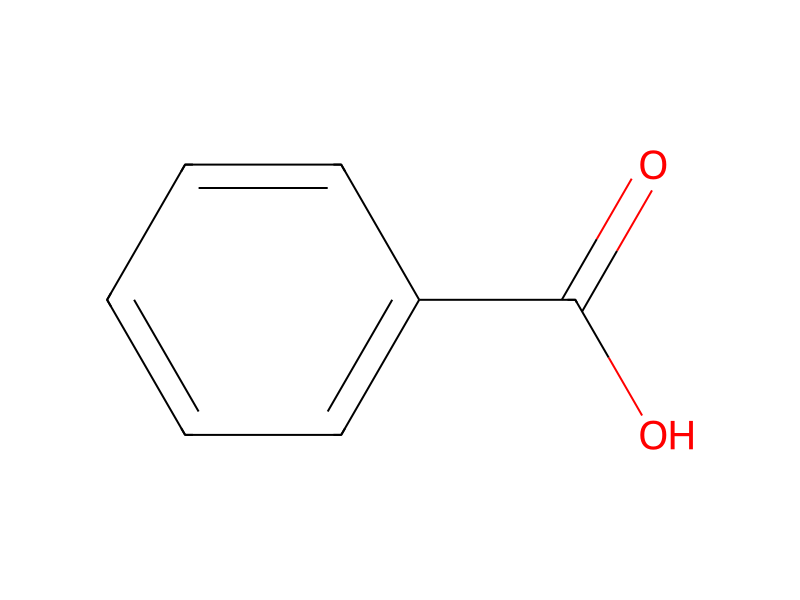
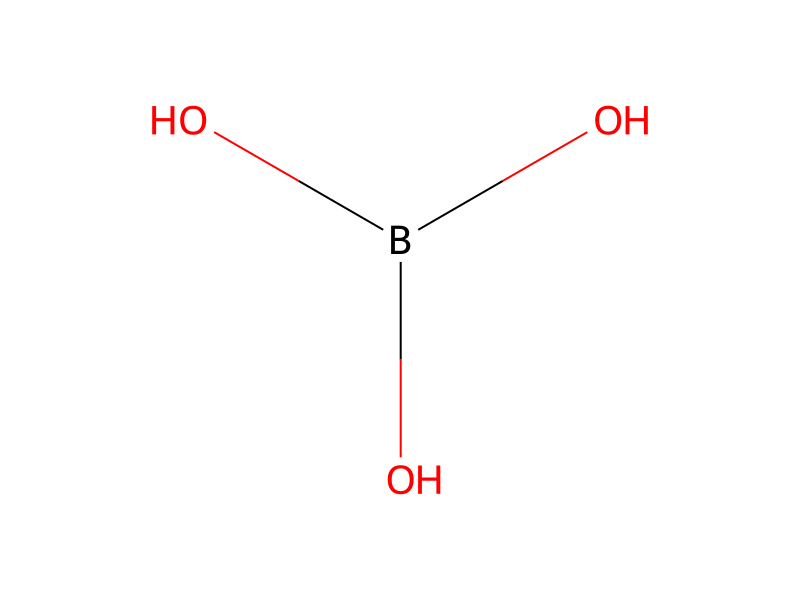
[Br:1][C:2]1[CH:8]=[CH:7][C:5]([NH2:6])=[C:4]([OH:9])[CH:3]=1.[C:10](O)(=O)[C:11]1[CH:16]=[CH:15][CH:14]=[CH:13][CH:12]=1.B(O)(O)O.O>C1(C)C(C)=CC=CC=1.C(Cl)Cl>[Br:1][C:2]1[CH:8]=[CH:7][C:5]2[N:6]=[C:10]([C:11]3[CH:16]=[CH:15][CH:14]=[CH:13][CH:12]=3)[O:9][C:4]=2[CH:3]=1Participants
7
Reactant 4


Product 1

Reagents, catalysts & solvents 2


Procedure
38.65 g (205.56 mmol) 4-bromo-2-hydroxy-aniline are boiled together with 25.10 g (205.56 mmol) benzoic acid and 12.75 g (205.56 mmol) boric acid in 500 ml of xylene for 6 days using the water separator. The solv. is eliminated in vacuo and the residue is taken up in DCM. The mixture is extracted 1× each with 1N sodium hydroxide solution, water, 2N hydrochloric acid and again with water. The org. phase is concentrated i. V. by rotary evaporation and the residue is separated through silica gel (eluant cyclohexane/EA).
Workup
- extractionThe mixture is extracted 1× each with 1N sodium hydroxide solution, water, 2N hydrochloric acid
- concentrationphase is concentrated i
- customby rotary evaporation
- customthe residue is separated through silica gel (eluant cyclohexane/EA)
Sources & evidence
- ORD record
- ord-d53248a87145481687218c208b0dcbaa
- Source dataset
- uspto-grants-2014_07
- Patent number
- US08772323B2
Reaction notes
Loading…