Water → Ethyl 7-oxoazepane-4-carboxylate
Reaction equation

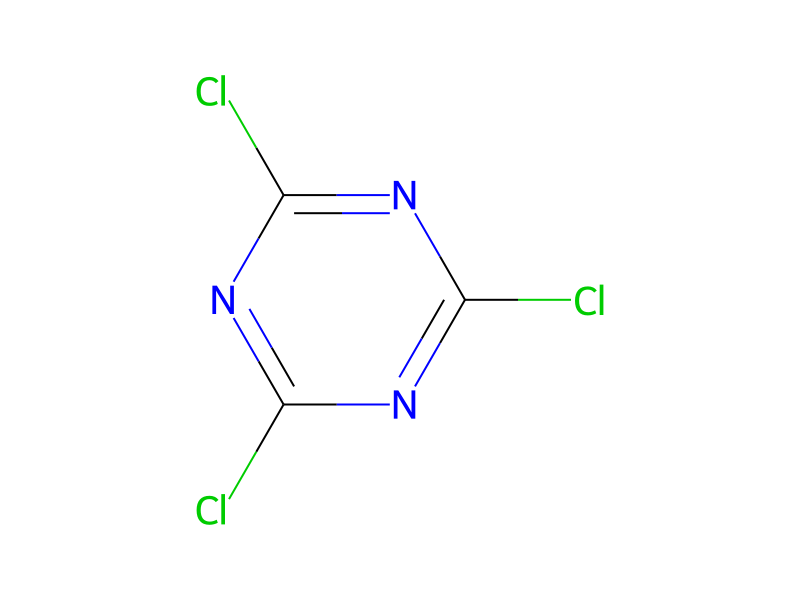
ClC1N=C(Cl)N=C(Cl)N=1.O[N:11]=[C:12]1[CH2:17][CH2:16][CH:15]([C:18]([O:20][CH2:21][CH3:22])=[O:19])[CH2:14][CH2:13]1.[OH2:23]>CN(C=O)C>[O:23]=[C:12]1[NH:11][CH2:17][CH2:16][CH:15]([C:18]([O:20][CH2:21][CH3:22])=[O:19])[CH2:14][CH2:13]1Participants
5
Reactant 3


Product 1

Reagents, catalysts & solvents 1

Procedure
To a solution of 2,4,6-trichloro-1,3,5-triazine (21.7 g) in DMF (25 mL) was added dropwise ethyl 4-(hydroxyimino)cyclohexanecarboxylate (27.2 g) in DMF (220 mL) over 30 min. The mixture was stirred at room temperature overnight, poured into water, and the mixture was extracted with ethyl acetate. The extract was washed with saturated brine, and dried over anhydrous magnesium sulfate, and the solvent was evaporated under reduced pressure. The residue was purified by silica gel column chromatography (ethyl acetate/hexane) to give ethyl 7-oxoazepane-4-carboxylate (2.40 g).
Workup
- extractionthe mixture was extracted with ethyl acetate
- washThe extract was washed with saturated brine
- dry with materialdried over anhydrous magnesium sulfate
- customthe solvent was evaporated under reduced pressure
- customThe residue was purified by silica gel column chromatography (ethyl acetate/hexane)
Sources & evidence
- ORD record
- ord-a6a4d4f17f4649ec96abe580df828ef6
- Source dataset
- uspto-grants-2014_07
- Patent number
- US08772277B2
Reaction notes
Loading…