Hydrochloric Acid → HCID 68468429, compound
Reaction equation

Cl[C:2]1[CH:7]=[CH:6][N+:5]([O-:8])=[C:4]([CH3:9])[C:3]=1[CH3:10].[OH-].[Na+].[CH2:13]([OH:20])[CH2:14][CH2:15][CH2:16][CH2:17][CH2:18][CH3:19].Cl>O.C1(C)C=CC=CC=1>[CH2:13]([O:20][C:2]1[CH:7]=[CH:6][N+:5]([O-:8])=[C:4]([CH3:9])[C:3]=1[CH3:10])[CH2:14][CH2:15][CH2:16][CH2:17][CH2:18][CH3:19]Participants
7






Procedure
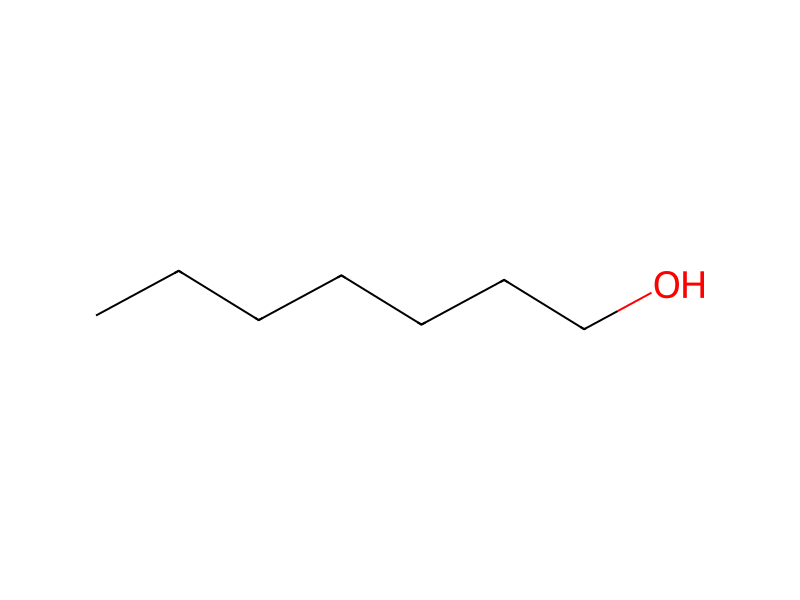
15.8 g (0.1 mol, 1.0 eq.) of 4-chlor-2,3-dimethylpyridine-N-oxide, 8.0 g (0.2 mol, 2.0 eq.) of caustic soda, and 23.2 g (0.2 mol, 2.0 eq.) of 1-heptanol were added to 64 mL of toluene, and the mixture was heated to reflux for 3 hours, and then cooled to room temperature. 15 mL of water was added to the reaction liquid, and then the mixture was neutralized with concentrated hydrochloric acid (8 mL). Subsequently, the resultant was extracted three times with 670 mL of chloroform. The extract was dried over anhydrous magnesium sulfate, and then concentrated under reduced pressure, to obtain 37.3 g of 4-heptyloxy-2,3-dimethylpyridine-N-oxide as a black brown oily matter.
Workup
- temperaturethe mixture was heated
- temperatureto reflux for 3 hours
- extractionSubsequently, the resultant was extracted three times with 670 mL of chloroform
- dry with materialThe extract was dried over anhydrous magnesium sulfate
- concentrationconcentrated under reduced pressure
Sources & evidence
- ORD record
- ord-f4d897a26fb14dd6bb895146232c4605
- Source dataset
- uspto-grants-2014_07
- Patent number
- US08778975B2
Reaction notes
Loading…