Water → Cyclopropanecarboxylic acid(5-bromo-2-iodo-benzyl)-ethyl-amide
Reaction equation

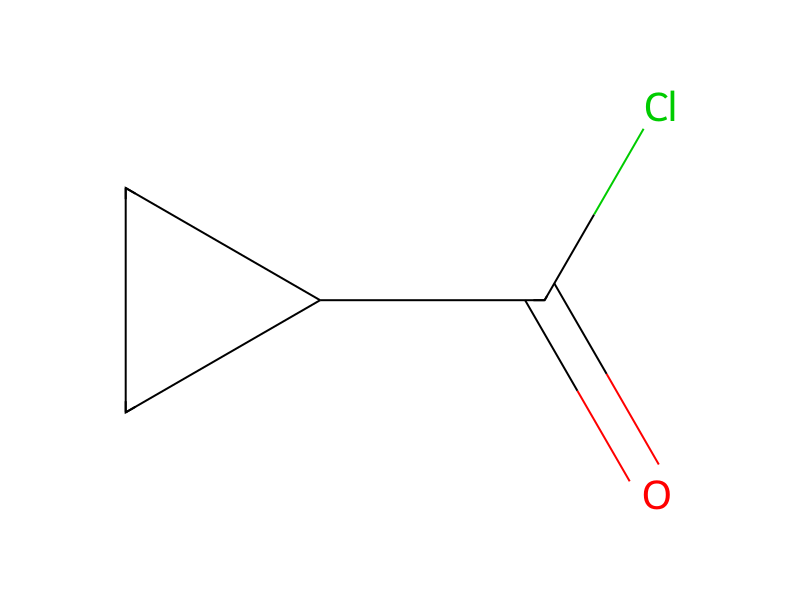
[Br:1][C:2]1[CH:3]=[CH:4][C:5]([I:12])=[C:6]([CH:11]=1)[CH2:7][NH:8][CH2:9][CH3:10].C(N(CC)C(C)C)(C)C.[CH:22]1([C:25](Cl)=[O:26])[CH2:24][CH2:23]1.O>ClCCl>[Br:1][C:2]1[CH:3]=[CH:4][C:5]([I:12])=[C:6]([CH:11]=1)[CH2:7][N:8]([CH2:9][CH3:10])[C:25]([CH:22]1[CH2:24][CH2:23]1)=[O:26]Participants
6





Conditions
- Temperature
- 0 °C
Procedure
(5-Bromo-2-iodo-benzyl)-ethyl-amine (5.0 g, 14.7 mmol) was dissolved in dichloromethane (75 mL) along with N,N-diisopropylethylamine (5.12 mL, 29.4 mmol). The solution was cooled to 0° C. and cyclopropanecarbonyl chloride (1.41 mL, 15.4 mmol) was added. The reaction was monitored by analytical LCMS and after 15 minutes water was added and the layers were separated. The organic layer was dried with magnesium sulfate then filtered and concentrated to afford the title compound, which was used without further purification.
Workup
- customthe layers were separated
- dry with materialThe organic layer was dried with magnesium sulfate
- filtrationthen filtered
- concentrationconcentrated
Sources & evidence
- ORD record
- ord-25da86860178472eb61874c672942ef6
- Source dataset
- uspto-grants-2014_07
- Patent number
- US08785393B2
Reaction notes
Loading…