Cesium carbonate → 4-(3-nitrophenyl)pyridine
Reaction equation

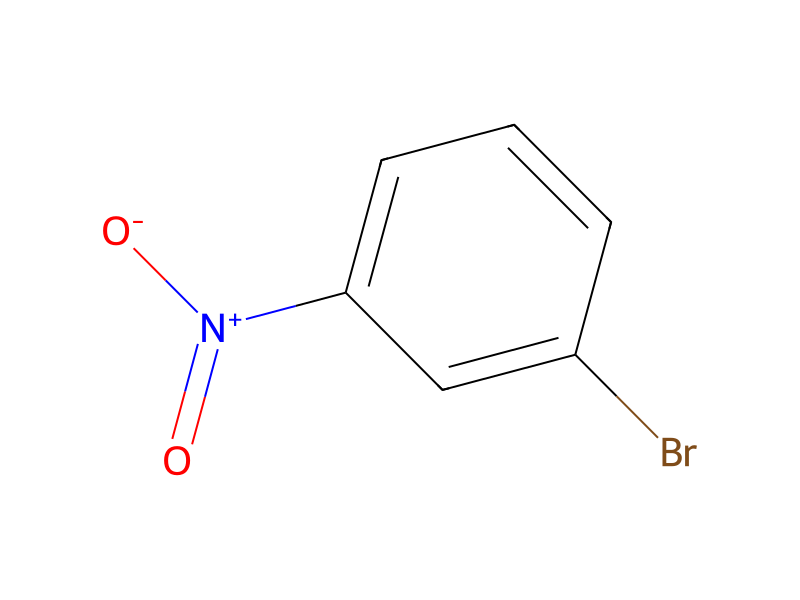
Br[C:2]1[CH:7]=[CH:6][CH:5]=[C:4]([N+:8]([O-:10])=[O:9])[CH:3]=1.[N:11]1[CH:16]=[CH:15][C:14](B(O)O)=[CH:13][CH:12]=1.C(=O)(O)[O-].[Na+].C(=O)([O-])[O-].[Cs+].[Cs+]>CN(C=O)C>[N+:8]([C:4]1[CH:3]=[C:2]([C:14]2[CH:15]=[CH:16][N:11]=[CH:12][CH:13]=2)[CH:7]=[CH:6][CH:5]=1)([O-:10])=[O:9]Participants
6
Reactant 4



Product 1

Reagents, catalysts & solvents 1

Conditions
- Temperature
- 70 °C
Procedure
To a 250 ml flask was added 1-bromo-3-nitrobenzene 34.1.A (500 mg, 2.5 mmol), pyridin-4-ylboronic acid (665 mg, 5.45 mmol), and Pd(Ph3)4 (578 mg, 0.5 mmole), 40 ml of DMF, 10 ml of saturated aqueous sodium bicarbonate and cesium carbonate (1.63 g, 5.0 mmol). The resulting mixture was stirred overnight at 70° C., at which time the reaction mixture was partitioned between 500 ml of EtOAc and 100 ml of water. The organic layer was extracted twice more with 100 ml of water and the organic phase was concentrated to afford 34.1.B which was used in the next step without any further purification.
Workup
- customwas partitioned between 500 ml of EtOAc and 100 ml of water
- extractionThe organic layer was extracted twice more with 100 ml of water
- concentrationthe organic phase was concentrated
Sources & evidence
- ORD record
- ord-a45d75e0cdd647449eaa0c61ee179221
- Source dataset
- uspto-grants-2014_07
- Patent number
- US08785468B2
Reaction notes
Loading…