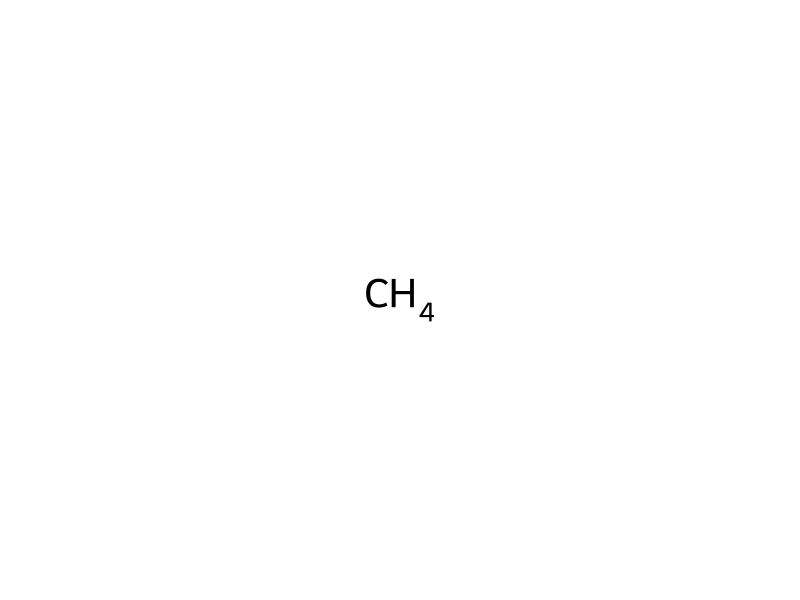
Methane → HCID 178424801, compound
Reaction equation

[ClH:1].Cl.Cl.[NH2:4][C:5]1[C:10]([NH2:11])=[CH:9][CH:8]=[CH:7][C:6]=1[O:12][CH2:13][CH:14]([OH:28])[CH2:15][NH:16][CH2:17][CH2:18][NH:19][C:20]1[C:25]([CH3:26])=[CH:24][CH:23]=[CH:22][C:21]=1[CH3:27].Cl.[CH4:30]>C(O)=O>[ClH:1].[ClH:1].[N:11]1[C:10]2[CH:9]=[CH:8][CH:7]=[C:6]([O:12][CH2:13][CH:14]([OH:28])[CH2:15][NH:16][CH2:17][CH2:18][NH:19][C:20]3[C:25]([CH3:26])=[CH:24][CH:23]=[CH:22][C:21]=3[CH3:27])[C:5]=2[NH:4][CH:30]=1Participants
5
Reactant 3


Product 1

Reagents, catalysts & solvents 1

Procedure
A solution of 21.5 g. 2,3-diamino-1-{2-hydroxy-3-[2-(2,6-dimethylphenylamino)-ethylamino]-propoxy}-benzene trihydrochloride in 150 ml. formic acid is boiled under reflux for 6 hours. After evaporating the reaction mixture in a vacuum, the residue obtained is taken up in 200 ml. 2N hydrochloric acid, boiled under reflux for 4 hours, mixed with active charcoal and filtered while hot. The filtrate is evaporated to dryness and the residue then recrystallized. There are obtained 3.5 g. (17.4% of theory) of the desired compound: m.p. 128°-131° C.
Workup
- temperatureunder reflux for 6 hours
- customAfter evaporating the reaction mixture in a vacuum
- customthe residue obtained
- temperatureunder reflux for 4 hours
- filtrationfiltered while hot
- customThe filtrate is evaporated to dryness
- customthe residue then recrystallized
- customThere are obtained 3.5 g
Sources & evidence
- ORD record
- ord-97a37da9d47e446fa3013bbe78eca224
- Source dataset
- uspto-grants-1984_10
- Patent number
- US04479962
Reaction notes
Loading…