Dichloromethane → HCID 18675327, compound
Reaction equation

Br[C:2]1[CH:3]=[CH:4][C:5]([O:19][CH3:20])=[C:6]([CH:8]2[C:13](=[O:14])[NH:12][C:11]3[CH:15]=[CH:16][CH:17]=[CH:18][C:10]=3[O:9]2)[CH:7]=1.[Cu][C:22]#[N:23].C(Cl)Cl.[OH-].[NH4+]>CN(C=O)C>[CH3:20][O:19][C:5]1[CH:4]=[CH:3][C:2]([C:22]#[N:23])=[CH:7][C:6]=1[CH:8]1[C:13](=[O:14])[NH:12][C:11]2[CH:15]=[CH:16][CH:17]=[CH:18][C:10]=2[O:9]1Participants
6
Reactant 4



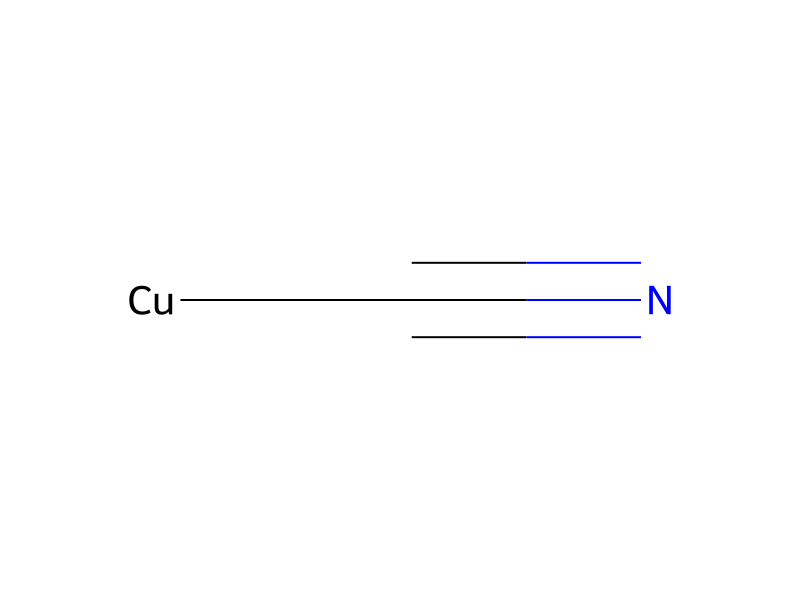
Product 1

Reagents, catalysts & solvents 1

Conditions
- Temperature
- 160 °C
Procedure
To a solution of 2-(5-bromo-2-methoxyphenyl)-2H-1,4-benzoxazin-3(4H)-one (I11) (0.90 g, 2.70 mmoles) in DMF (10 mL) was added copper (I) cyanide (1.3 g, 5 equiv.) and the mixture heated at 160° C. for 12 hours. The mixture was cooled and methylene chloride (100 mL) and aqueous ammonium hydroxide (10 mL) were added. The methylene chloride layer was separated and dried over MgSO4 which afforded the required product (I12) (0.67 g, 89%) upon evaporation in vacuo.
Workup
- temperatureThe mixture was cooled
- customThe methylene chloride layer was separated
- dry with materialdried over MgSO4 which
Sources & evidence
- ORD record
- ord-41e8a45205d4445397fd2bcea596efc3
- Source dataset
- uspto-grants-2003_01
- Patent number
- US06509335B1
Reaction notes
Loading…