Water → 3-(4-pyridyl)-1,2,4-triazine
Reaction equation

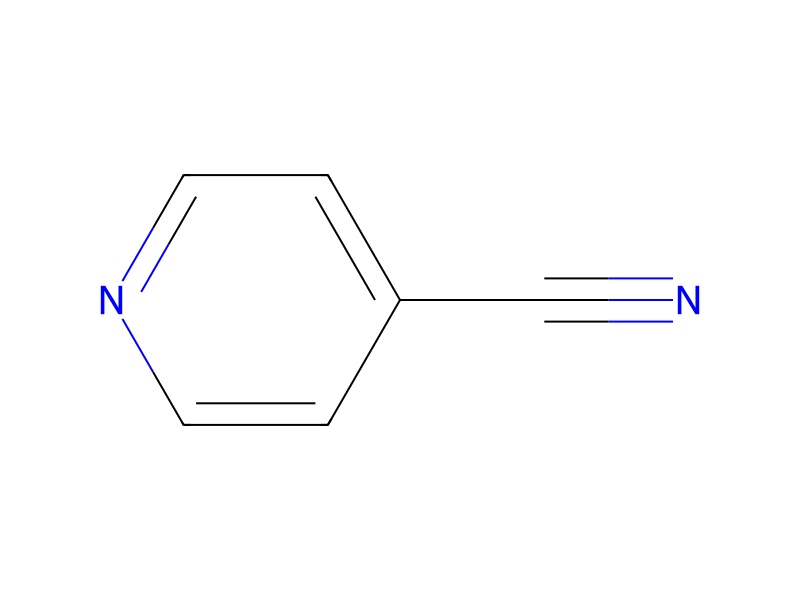
O.[C:2]([C:4]1[CH:9]=[CH:8][N:7]=[CH:6][CH:5]=1)#[N:3].O.[NH2:11][NH2:12].[C:13]1([CH3:19])C=CC=CC=1>>[N:7]1[CH:8]=[CH:9][C:4]([C:2]2[N:11]=[N:12][CH:13]=[CH:19][N:3]=2)=[CH:5][CH:6]=1Participants




Conditions
- Temperature
- 50 °C
Procedure
In a 2000-ml four-necked flask were charged 200 ml of water, 200.0 g (1.92 mole) of 4-cyanopyridine and 192.0 g (3.84 mole) of hydrazine monohydrate. The mixture was reacted for 4 hours under stirring at 50° C. After confirmation of the disappearance of the raw material by HPLC analysis, 400 ml of toluene was added and excessive hydrazine monohydrate was distilled off. This operation was conducted again. To the residue were successively added 800 ml of water and 278.4 g (1.92 mole) of a 40% aqueous glyoxal solution. The mixture was reacted for 2 hours at an external temperature of 100° C. After completion of the reaction, the reaction mixture was cooled to 5° C., whereby 222.4 g (yield: 85.2%) of the target compound was obtained as pale yellow crystals.
Workup
- customThe mixture was reacted for 4 hours
- distillationexcessive hydrazine monohydrate was distilled off
- customThe mixture was reacted for 2 hours at an external temperature of 100° C
- customAfter completion of the reaction
- temperaturethe reaction mixture was cooled to 5° C.
Sources & evidence
- ORD record
- ord-bd2533a30b04444889c2ad80cbdc40fe
- Source dataset
- uspto-grants-2003_01
- Patent number
- US06509469B1
Reaction notes
Loading…