Isobutylene → 1-Bromo-3-tert-butoxybenzene
Reaction equation

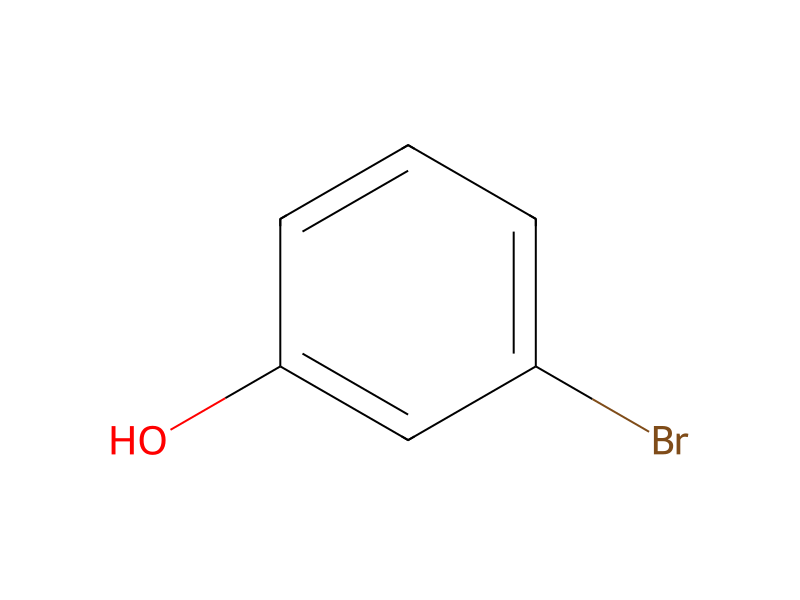
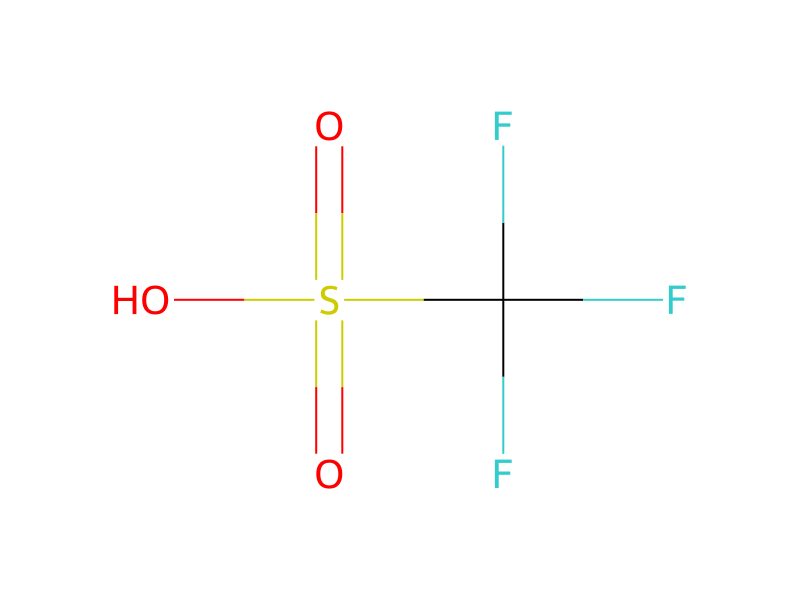
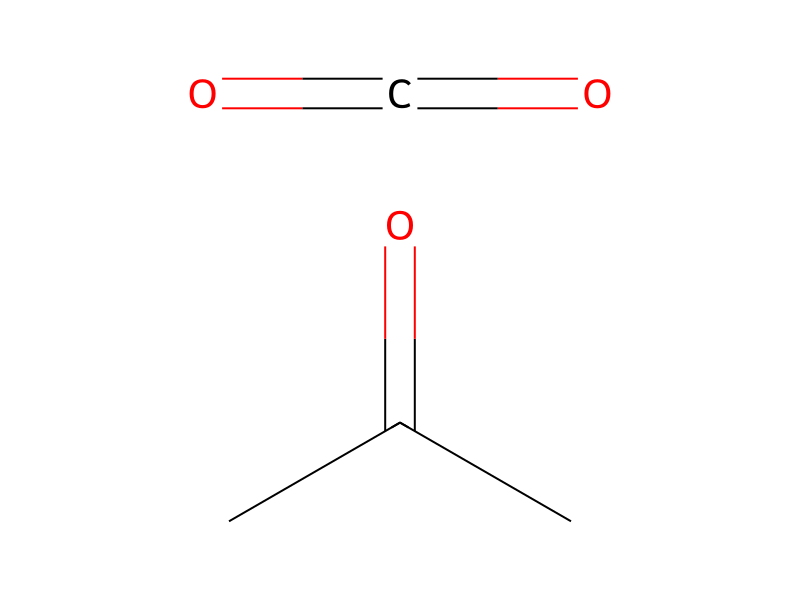
[CH3:1][C:2](=[CH2:4])[CH3:3].C(=O)=O.CC(C)=O.[Br:12][C:13]1[CH:14]=[C:15]([OH:19])[CH:16]=[CH:17][CH:18]=1.FC(F)(F)S(O)(=O)=O.C(N(CC)CC)C>ClCCl>[Br:12][C:13]1[CH:14]=[C:15]([O:19][C:2]([CH3:3])([CH3:1])[CH3:4])[CH:16]=[CH:17][CH:18]=1Participants
7




Conditions
- Temperature
- -75 °C
Procedure
Condensed isobutylene (100 ml) was added via a dry ice/acetone cold finger, to dichloromethane (70 ml) at −30° C., followed by a solution of 3-bromophenol (21.5 g, 125 mmol) in dichloromethane (30 ml). Trifluoromethanesulphonic acid (1.5 g, 10.0 mmol) was added dropwise, the reaction cooled to −75° C., and stirred for 2 hours. Triethylamine (1.4 ml, 10.0 mmol) was then added, the solution allowed to warm to room temperature and then concentrated in vacuo to remove the isobutylene. The remaining solution was washed with water, dried (Na2SO4), filtered and evaporated to give the desired product as a pale yellow oil, (33 g, slightly impure).
Workup
- temperatureto warm to room temperature
- concentrationconcentrated in vacuo
- customto remove the isobutylene
- washThe remaining solution was washed with water
- dry with materialdried (Na2SO4)
- filtrationfiltered
- customevaporated
Sources & evidence
- ORD record
- ord-e196ecd2b7e4466a918e08342b1e5f7f
- Source dataset
- uspto-grants-2003_01
- Patent number
- US06511993B1
Reaction notes
Loading…