Dichloromethane → HCID 54192258, compound
Reaction equation

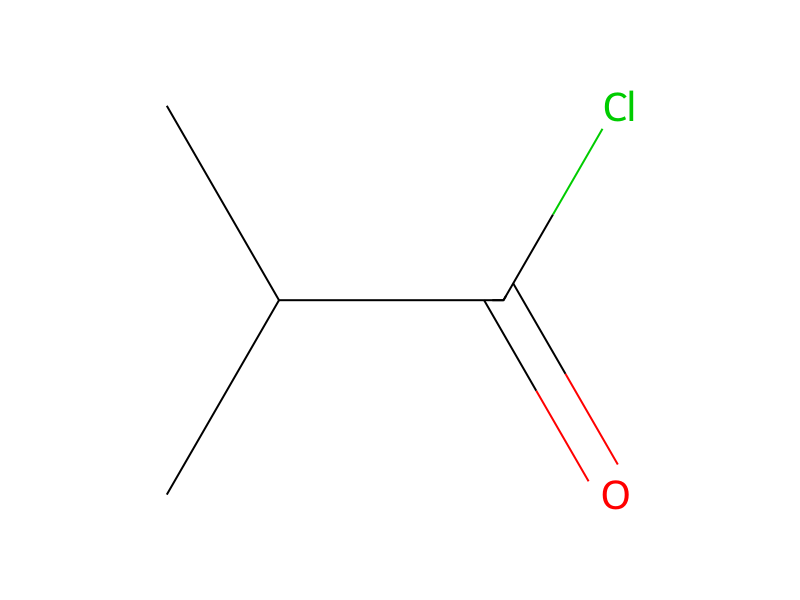
[NH2:1][CH2:2][C:3]([C:6]1[C:14]2[NH:13][C:12]([C:15]3[CH:20]=[CH:19][C:18]([O:21][CH3:22])=[CH:17][CH:16]=3)=[N:11][C:10]=2[CH:9]=[CH:8][CH:7]=1)([CH3:5])[CH3:4].ClCCl.[C:26](Cl)(=[O:30])[CH:27]([CH3:29])[CH3:28]>C(N(CC)CC)C>[CH:27]([C:26]([NH:1][CH2:2][C:3]([C:6]1[CH:7]=[CH:8][C:9]2[N:13]=[C:12]([C:15]3[CH:20]=[CH:19][C:18]([O:21][CH3:22])=[CH:17][CH:16]=3)[NH:11][C:10]=2[CH:14]=1)([CH3:4])[CH3:5])=[O:30])([CH3:29])[CH3:28]Participants
Reactant 3


Product 1

Reagents, catalysts & solvents 1

Procedure
1.9 g. 4-(2-Aminomethylpropan-2-yl)-2-(4-methoxyphenyl)-benzimidazole (obtained in Example 6) in 200 ml. dichloromethane are reacted with 2.5 ml. triethylamine and 0.82 g. isobutyric acid chloride at ambient temperature. After 10 hours, the solvent is removed in a vacuum and the residue is digested with water and 2N aqueous ammonia solution. The reaction mixture is extracted 4 times with dichloromethane and the organic phase is dried over anhydrous sodium sulphate, filtered and evaporated. Ethyl acetate is added thereto, a part thereof is distilled off with the dichloromethane and left to crystallise and the product is filtered with suction. The product is recrystallised from ethyl acetate to give 0.6 g. of the title compound; m.p. 218°-220° C.
Workup
- customat ambient temperature
- customthe solvent is removed in a vacuum
- extractionThe reaction mixture is extracted 4 times with dichloromethane
- dry with materialthe organic phase is dried over anhydrous sodium sulphate
- filtrationfiltered
- customevaporated
- additionEthyl acetate is added
- distillationa part thereof is distilled off with the dichloromethane
- waitleft
- customto crystallise
- filtrationthe product is filtered with suction
- customThe product is recrystallised from ethyl acetate
- customto give 0.6 g
Sources & evidence
- ORD record
- ord-40bc2e5cef4a4e9e8b5f98d74ea9998f
- Source dataset
- uspto-grants-1989_11
- Patent number
- US04882342
Reaction notes
Loading…