Ammonia → Atorvastatin calcium
Reaction equation

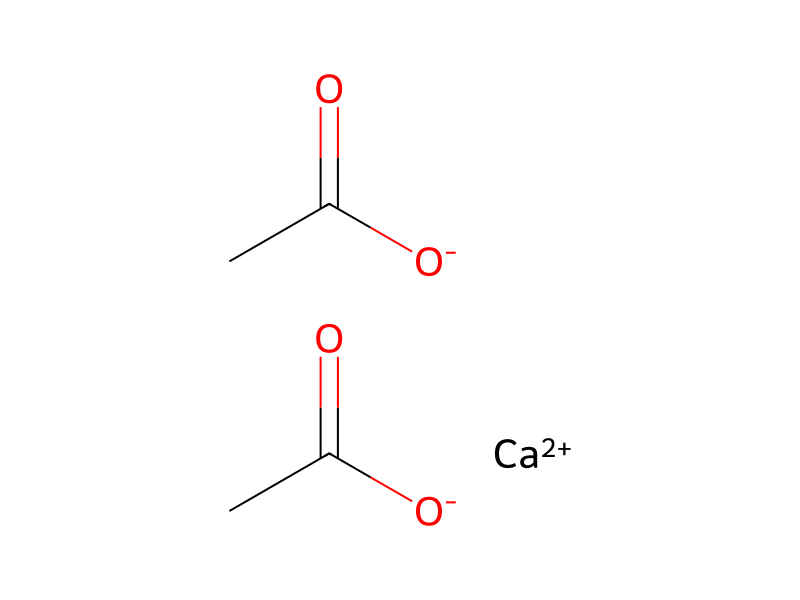
CC(C(CCC[CH2:15][N:16]1[C:20]([CH:21]([CH3:23])[CH3:22])=[C:19]([C:24]([NH:26][C:27]2[CH:32]=[CH:31][CH:30]=[CH:29][CH:28]=2)=[O:25])[C:18]([C:33]2[CH:38]=[CH:37][CH:36]=[CH:35][CH:34]=2)=[C:17]1[C:39]1[CH:44]=[CH:43][C:42]([F:45])=[CH:41][CH:40]=1)C(O)(O)C([O-])=O)(C)C.[OH-:46].[Na+].[C:48]([O-:51])(=[O:50])[CH3:49].[Ca+2:52].[C:53]([O-:56])(=[O:55])[CH3:54].N.[C:58](#N)[CH3:59]>O.C1CCCCC1.C(OCC)(=O)C>[CH3:23][CH:21]([C:20]1[N:16]([CH2:15][CH2:59][C@@H:58]([OH:46])[CH2:54][C@@H:53]([OH:56])[CH2:49][C:48]([O-:51])=[O:50])[C:17]([C:39]2[CH:40]=[CH:41][C:42]([F:45])=[CH:43][CH:44]=2)=[C:18]([C:33]2[CH:38]=[CH:37][CH:36]=[CH:35][CH:34]=2)[C:19]=1[C:24]([NH:26][C:27]1[CH:32]=[CH:31][CH:30]=[CH:29][CH:28]=1)=[O:25])[CH3:22].[CH3:23][CH:21]([C:20]1[N:16]([CH2:15][CH2:54][C@@H:53]([OH:55])[CH2:58][C@@H:59]([OH:46])[CH2:49][C:48]([O-:51])=[O:50])[C:17]([C:39]2[CH:40]=[CH:41][C:42]([F:45])=[CH:43][CH:44]=2)=[C:18]([C:33]2[CH:38]=[CH:37][CH:36]=[CH:35][CH:34]=2)[C:19]=1[C:24]([NH:26][C:27]1[CH:32]=[CH:31][CH:30]=[CH:29][CH:28]=1)=[O:25])[CH3:22].[Ca+2:52]Participants








Procedure
20 gm of R—(R*,R*)]-1,1-dimethylethyl-2-(4-fluorophenyl)-dihydroxy-5-(1-methylethyl)-3-phenyl-4-[(phenylamino) carbonyl]-1H-pyrrole-1-heptanoate was taken in 400 mL of acetonitrile to obtain clear solution at 40° C. to 45° C. The reaction mixture was cooled to 25° C. to 30° C. and 2.60 gm of NaOH solution in 100 mL of water was added within 15 min and stirred for 30 min. Acetonitrile was distilled under vacuum to obtain white slurry or solid. The compound thus obtained was further cooled at 10° C. to 15° C. 400 mL of water (with pH≈8.0 adjusted by liquor ammonia) was added followed by slow addition of 400 mL of ethyl acetate to dissolve the solution. 3.48 gm of calcium acetate solution in 80 mL of water was added to obtain hazzy solution at 10° C. to 15° C. followed by addition of liquor ammonia to adjust the pH≈8.0. The reaction mixture was stirred for 2 hrs at 35° C. to 40° C. and cooled to 30° C. to 35° C. The organic layer was separated and washed with water and filtered through hyflow bed followed by washing with ethyl acetate. The organic phase was distilled to remove ethyl acetate completely till powder or lump of material was obtained. The solid thus obtained was treated with 100 mL of cyclohexane and stirred for 30 min. The product was filtered, washed with cyclohexane and dried at 30° C. to 35° C. to obtain amorphous atorvastatin calcium.
Workup
- customto obtain clear solution at 40° C. to 45° C
- temperatureThe reaction mixture was cooled to 25° C. to 30° C.
- distillationAcetonitrile was distilled under vacuum
- customto obtain white slurry or solid
- customThe compound thus obtained
- temperaturewas further cooled at 10° C. to 15° C
- dissolutionto dissolve the solution
- customto obtain hazzy solution at 10° C. to 15° C.
- stirringThe reaction mixture was stirred for 2 hrs at 35° C. to 40° C.
- temperaturecooled to 30° C. to 35° C
- customThe organic layer was separated
- washwashed with water
- filtrationfiltered through hyflow bed
- washby washing with ethyl acetate
- distillationThe organic phase was distilled
- customto remove ethyl acetate completely till powder or lump of material
- customwas obtained
- customThe solid thus obtained
- stirringstirred for 30 min
- filtrationThe product was filtered
- washwashed with cyclohexane
- customdried at 30° C. to 35° C.
Sources & evidence
- ORD record
- ord-266131fe3bd747b1a11f93993c1040da
- Source dataset
- uspto-grants-2012_02
- Patent number
- US08115015B2
Reaction notes
Loading…