Hydrochloric Acid → HCID 57831205, compound
Reaction equation

[CH3:1][N:2]1[N:6]=[N:5][C:4]([C:7]2[CH:12]=[CH:11][C:10]([CH2:13][N:14]3[CH2:19][CH2:18][C:17](=[O:20])[CH2:16][CH2:15]3)=[CH:9][CH:8]=2)=[N:3]1.[C-:21]#[N:22].[Na+].Cl.C(OCC)(=O)C>CCOCC.O>[OH:20][C:17]1([C:21]#[N:22])[CH2:18][CH2:19][N:14]([CH2:13][C:10]2[CH:9]=[CH:8][C:7]([C:4]3[N:5]=[N:6][N:2]([CH3:1])[N:3]=3)=[CH:12][CH:11]=2)[CH2:15][CH2:16]1Participants


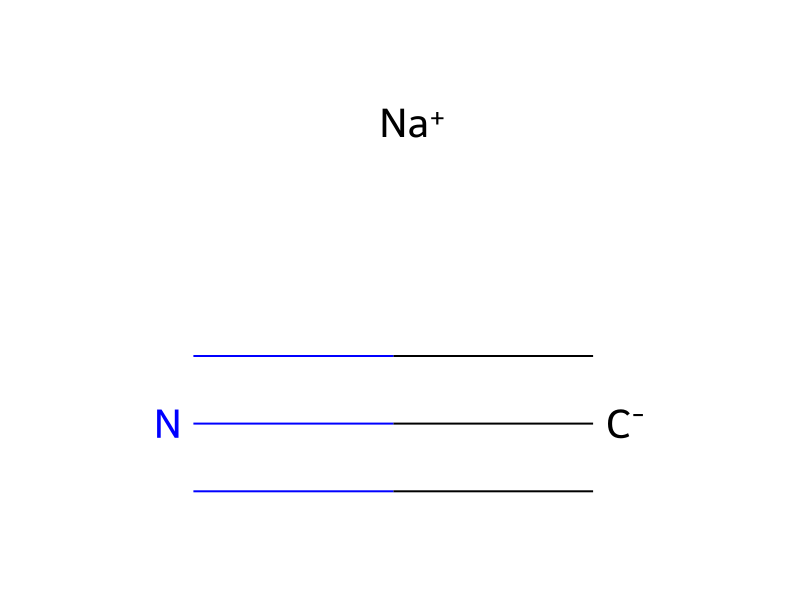




Conditions
- Temperature
- 10 °C
Procedure
A stirred solution of 8.62 grams (0.032 mole) of 1-{[4-(2-methyl-1,2,3,4-tetrazol-5-yl)phenyl]methyl}piperidin-4-one in 100 mL of ether and 150 mL of water was cooled to about 10° C. and 3.9 grams (2.5 equivalents) of sodium cyanide was added in one portion. To this was added 6.6 mL (2.5 equivalents) of hydrochloric acid (12 M) dropwise while maintaining the reaction mixture temperature at about 10° C. Upon completion of the addition, the reaction mixture was stirred for 1.5 hours while warming to ambient temperature. The reaction mixture was then poured into 200 mL of water, to which was then added 200 mL of ethyl acetate. The organic layer was separated and concentrated under reduced pressure to yield 9.6 grams of the subject compound. The NMR spectrum was consistent with the proposed structure.
Workup
- additionUpon completion of the addition
- temperaturewhile warming to ambient temperature
- customThe organic layer was separated
- concentrationconcentrated under reduced pressure
Sources & evidence
- ORD record
- ord-1269728945954a23a843f669e619360b
- Source dataset
- uspto-grants-2012_02
- Patent number
- US08119563B2
Reaction notes
Loading…