Methylamine → 3-Aminomethyl-2-((3-pyridinyl)methyl)-1-azabicyclo[2.2.2]octane
Reaction equation

[N:1]1[CH:6]=[CH:5][CH:4]=[C:3]([CH2:7][CH:8]2[C:13](=O)[CH:12]3[CH2:15][CH2:16][N:9]2[CH2:10][CH2:11]3)[CH:2]=1.CN.[C:19]([BH3-])#[N:20].[Na+].[OH-].[K+]>[Cl-].[Zn+2].[Cl-].CO>[NH2:20][CH2:19][CH:13]1[CH:12]2[CH2:15][CH2:16][N:9]([CH2:10][CH2:11]2)[CH:8]1[CH2:7][C:3]1[CH:2]=[N:1][CH:6]=[CH:5][CH:4]=1Participants
7
Reactant 4
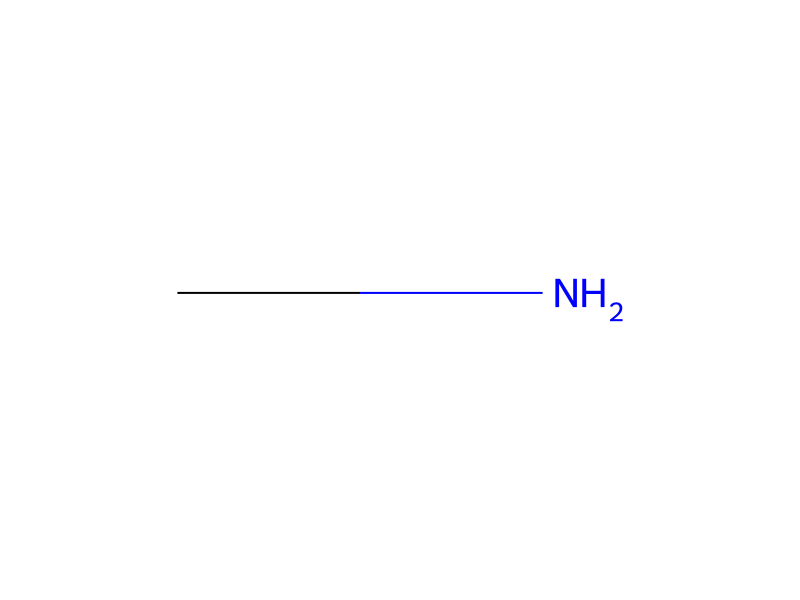



Product 1

Reagents, catalysts & solvents 2


Procedure
2-((3-Pyridinyl)methyl)-1-azabicyclo[2.2.2]octan-3-one (2.16 g, 0.01 mol), methylamine (25 mL, 0.05 mol) and zinc chloride (5 mL, 0.005 mol) were added to dry methanol (30 mL) and stirred at room temperature for 30 min. Then, sodium cyanoborohydride (30 mL, 1.0M in THF) was added carefully and the mixture stirred at room temperature for 48 h. The mixture was adjusted to pH 10 using 2N potassium hydroxide and then the solvent was removed by rotary evaporation. The residue was extracted with chloroform (3×50 mL), dried (MgSO4), filtered and concentrated by rotary evaporation to yield the crude desired amine as a light yellow oil (2.40 g, 83% yield). The product was taken on to the next step without further purification.
Workup
- stirringthe mixture stirred at room temperature for 48 h
- customthe solvent was removed by rotary evaporation
- extractionThe residue was extracted with chloroform (3×50 mL)
- dry with materialdried (MgSO4)
- filtrationfiltered
- concentrationconcentrated by rotary evaporation
Sources & evidence
- ORD record
- ord-ddf8f8cfe97e42fa97b6c09fbc13d8be
- Source dataset
- uspto-grants-2012_02
- Patent number
- US08124620B2
Reaction notes
Loading…