4-Methylmorpholine → N-tert-butyl-3-isopropylisoxazole-4,5-dicarboximide
Reaction equation

CN1CCOCC1.CN(C1C=CC=CN=1)C.[C:17]([NH:21][C:22]([C:24]1[O:28][N:27]=[C:26]([CH:29]([CH3:31])[CH3:30])[C:25]=1[C:32]([OH:34])=O)=[O:23])([CH3:20])([CH3:19])[CH3:18]>ClCCl.C(OCC)(=O)C>[C:17]([N:21]1[C:22](=[O:23])[C:24]2[O:28][N:27]=[C:26]([CH:29]([CH3:31])[CH3:30])[C:25]=2[C:32]1=[O:34])([CH3:20])([CH3:19])[CH3:18]Participants

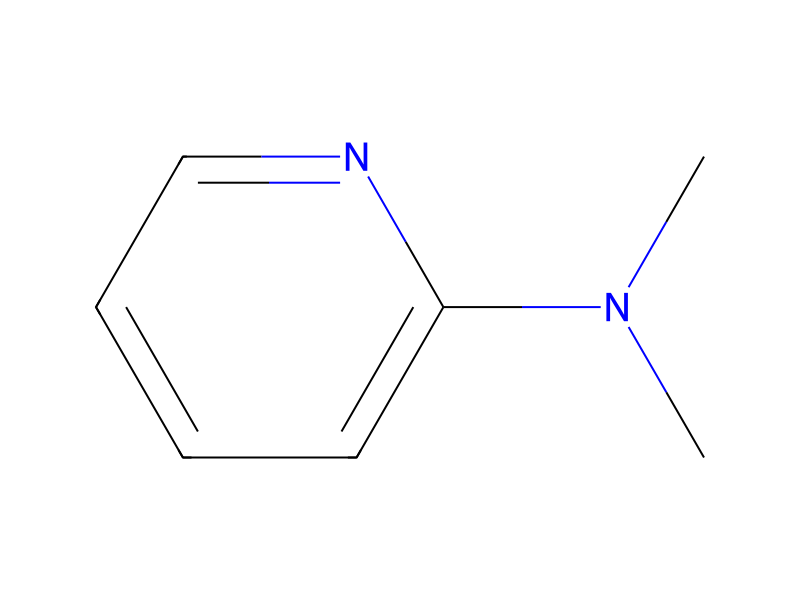




Procedure
7.5 g (74.1 mmol) of methylmorpholine, 2.4 g (20 mmol) of dimethylaminopyridine and 17.4 g of a 50% strength solution of propanephosphonic anhydride (27.3 mmol) in dichloromethane were added dropwise in succession to 5.1 g (20 mmol) of 5-tert-butylaminocarbonyl-3-isopropylisoxazole-4-carboxylic acid in 200 ml of dichloromethane at -5° C., and the mixture was then refluxed for 6 hours. The solvent was stripped off under reduced pressure, the residue was taken up in 300 ml of ethyl acetate and the solution was extracted twice with saturated sodium bicarbonate solution and once each with 5% strength citric acid solution, saturated sodium carbonate solution and saturated sodium chloride solution. The organic phase was dried and the solvent was stripped off under reduced pressure. 4.1 g (87%) of N-tert-butyl-3-isopropylisoxazole-4,5-dicarboximide were obtained as a solid of melting point 60°-62° C. (Example No. 1.003).
Workup
- temperaturethe mixture was then refluxed for 6 hours
- extractionthe solution was extracted twice with saturated sodium bicarbonate solution
- customThe organic phase was dried
Sources & evidence
- ORD record
- ord-701d52265e7846729e6850ef239e7c07
- Source dataset
- uspto-grants-1993_01
- Patent number
- US05176739
Reaction notes
Loading…