Dimethylformamide → Terephthaloyl chloride
Reaction equation

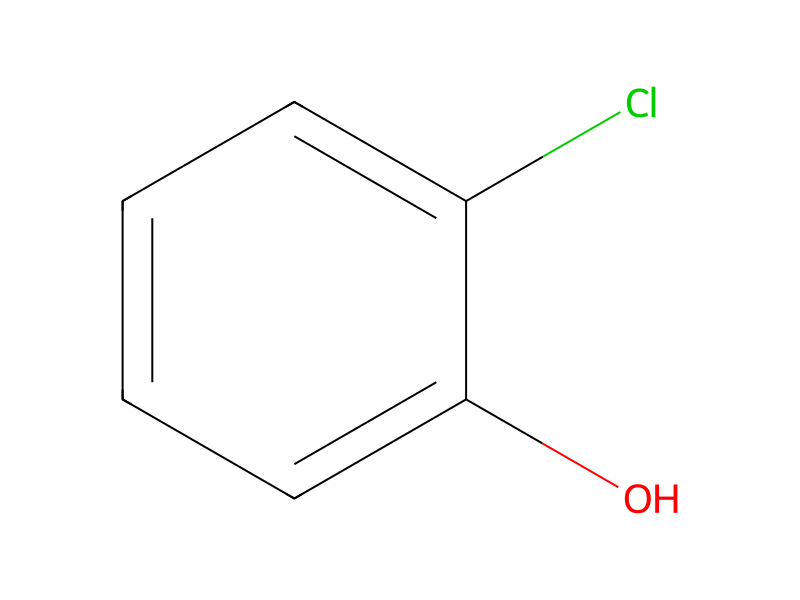
[Cl-:1].[Al+3].[Cl-:3].[Cl-].CN([CH:8]=[O:9])C.[CH3:10][C:11](N(C)C)=[O:12].[Cl-].[Li+].Cl[C:19]1[CH:24]=[CH:23]C=[CH:21][C:20]=1O>S(=O)(=O)(O)O.CS(C)=O.C(Cl)(Cl)Cl>[C:8]([Cl:3])(=[O:9])[C:19]1[CH:24]=[CH:23][C:10]([C:11]([Cl:1])=[O:12])=[CH:21][CH:20]=1Participants
8







Procedure
The bis-ester of Example 7 (3.9699 g, 0.079 mole) and terephthaloyl chloride (1.5836 g, 0.0078 mole) were polymerized by the procedure of Example 4. The amounts of aluminum chloride and DMF used were 9.19 g (0.0689 mole) and 2.40 mL (0.0312 mole), respectively. The polymer of the repeat unit ##STR24## was obtained as a pale cream powder in 98% yield. It was insoluble in a variety of solvents, including DMAc-lithium chloride (3%), o-chlorophenol, chloroform, and DMSO. It was soluble in concentrated sulfuric acid, but apparently with cleavage of the ester bonds, as the measured RV was only 0.07. DSC showed a possible Tg at 161° C. TGA in air showed a 1% weight loss at 380° C.
Workup
- customwas obtained as a pale cream powder in 98% yield
- customat 161° C
- customat 380° C.
Sources & evidence
- ORD record
- ord-b259cb12f44e477aa89bd9ebfd72540d
- Source dataset
- uspto-grants-1995_07
- Patent number
- US05436310
Reaction notes
Loading…