Phenylacetaldehyde → HCID 18874698, compound
Reaction equation

[Cl:1][C:2]1[CH:7]=[CH:6][CH:5]=[CH:4][C:3]=1[C:8]1[N:9]=[N:10][C:11]([C:14]2[CH:19]=[CH:18][CH:17]=[CH:16][C:15]=2[Cl:20])=NN=1.[C:21]1([CH2:27][CH:28]=O)[CH:26]=[CH:25][CH:24]=[CH:23][CH:22]=1.[OH-].[K+]>O1CCCC1.CO>[Cl:20][C:15]1[CH:16]=[CH:17][CH:18]=[CH:19][C:14]=1[C:11]1[N:10]=[N:9][C:8]([C:3]2[CH:4]=[CH:5][CH:6]=[CH:7][C:2]=2[Cl:1])=[CH:28][C:27]=1[C:21]1[CH:26]=[CH:25][CH:24]=[CH:23][CH:22]=1Participants
6
Reactant 3
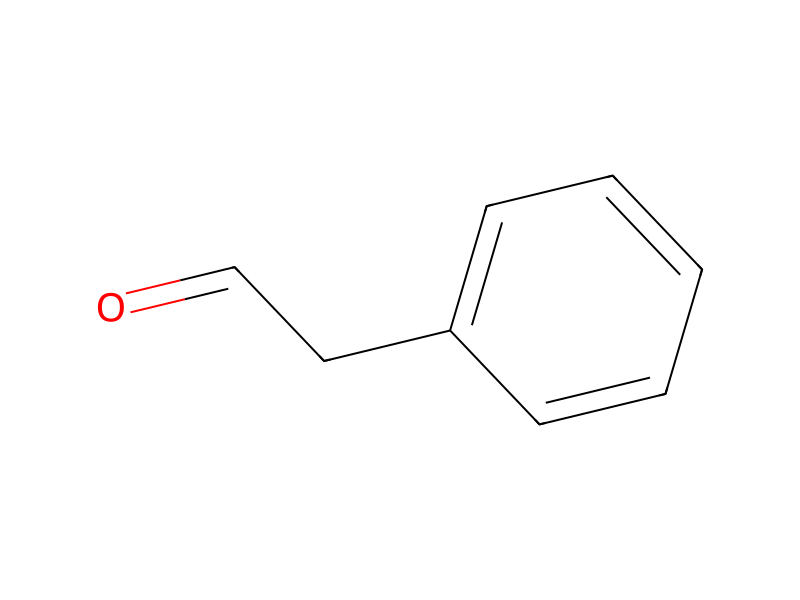


Product 1

Reagents, catalysts & solvents 2


Procedure
3,6-Bis(2-chlorophenyl)-1,2,4,5-tetrazine (4.6 g) and phenylacetaldehyde (2.0 g) were dissolved in tetrahydrofuran (60 ml). A solution of potassium hydroxide in methanol (1.5 ml, 1%) was added dropwise to the solution and left to stand for 5 minutes. The solution was evaporated to 20 mls volume and was then diluted with water (50 ml). The precipitated solid was filtered, washed with water and dried to give 5.5 g of desired product, mp 176°-178° C.
Workup
- waitleft
- customThe solution was evaporated to 20 mls volume
- additionwas then diluted with water (50 ml)
- filtrationThe precipitated solid was filtered
- washwashed with water
- customdried
Sources & evidence
- ORD record
- ord-e60d4bddec194b4394118fcf4d44ed50
- Source dataset
- uspto-grants-1983_11
- Patent number
- US04414221
Reaction notes
Loading…