Benzene → Naphthalene
Reaction equation

[C:1]1(=[O:7])[O:6][C:4](=[O:5])[CH:3]=[CH:2]1.[CH:8]1[CH:13]=[CH:12][CH:11]=[CH:10][CH:9]=1.[CH3:14][CH2:15][CH2:16][CH3:17]>CC1C=CC=CC=1C>[C:4]1(=[O:5])[O:6][C:1](=[O:7])[C:2]2=[CH:13][CH:8]=[CH:9][CH:10]=[C:3]12.[CH:8]1[C:13]2[C:12](=[CH:14][CH:15]=[CH:16][CH:17]=2)[CH:11]=[CH:10][CH:9]=1Participants
6
Reactant 3

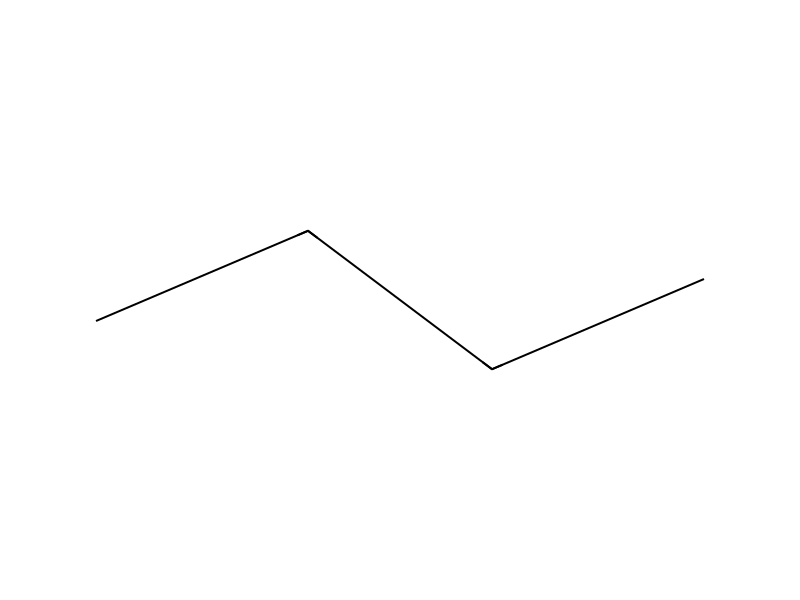

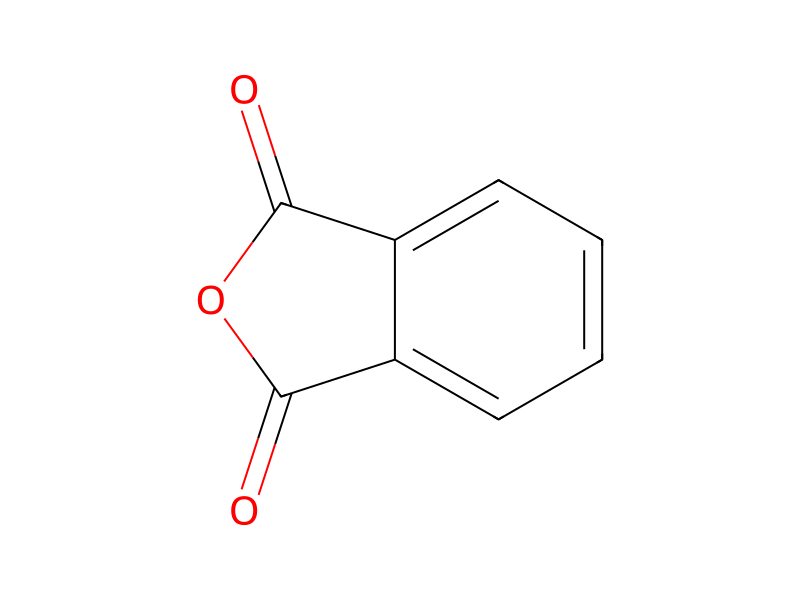
Product 2

Reagents, catalysts & solvents 1

Procedure
It is well known that maleic anhydride is prepared by the catalytic oxidation of benzene, naphthenes, butenes, or butane in the vapor phase, and that it is also obtained as a by-product of the preparation of phthalic anhydride by oxidation of o-xylene or naphthalene. It is usual to isolate maleic anhydride from the crude product by fractional distillation; crystallization of the distillate gives colorless, almost pure maleic anhydride. It has been found however that even the colorless, crystalline maleic anhydride obtained in this way is prone to discolor when it is stored for some time, and molten maleic anhydride discolors quicker.
Sources & evidence
- ORD record
- ord-0a6cdd1905974d399b7aec25744ffce4
- Source dataset
- uspto-grants-1990_05
- Patent number
- US04921977
Reaction notes
Loading…