Tetrahydrofuran → HCID 15171054, compound
Reaction equation

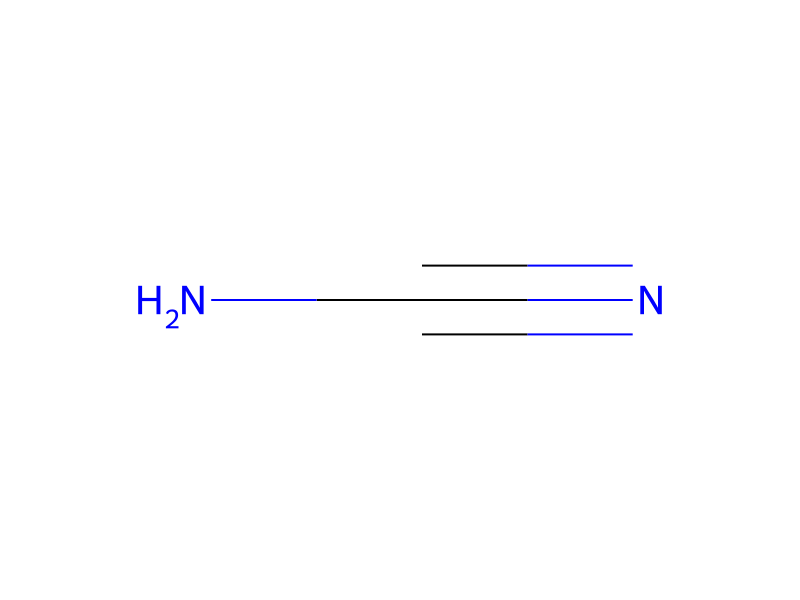
[Cl:1][C:2]1[CH:7]=[C:6]([C:8]([F:11])([F:10])[F:9])[CH:5]=[C:4]([Cl:12])[C:3]=1[NH:13][N:14]=[C:15](Cl)[C:16]([CH3:19])([CH3:18])[CH3:17].[N:21]#[C:22][NH2:23].O1CCCC1.C(N(CC)CC)C>O>[NH2:23][C:22]1[N:13]([C:3]2[C:2]([Cl:1])=[CH:7][C:6]([C:8]([F:11])([F:10])[F:9])=[CH:5][C:4]=2[Cl:12])[N:14]=[C:15]([C:16]([CH3:19])([CH3:18])[CH3:17])[N:21]=1Participants
Reactant 4



Product 1

Reagents, catalysts & solvents 1

Procedure
7.0 g (0.02 mol) of 2,2-dimethylpropionyl chloride 2,6-dichloro-4-trifluoromethylphenylhydrazone and 1.7 g (0.04 mol) of cyanamide were added to 100 ml of tetrahydrofuran. Then, 4.0 g (0.04 mol) of triethylamine was dropwise added under reflux and stirring. After completion of the dropwise addition, the stirring was continued at the same temperature for further 1 hour. After cooling, the reaction solution was poured into water, and the precipitate was extracted with toluene. The organic layer was washed with water and dried. Then, the solvent was distilled off under reduced pressure, and the residue was washed with n-hexane to obtain 5.3 g (yield: 74.6%) of the desired compound as white prismatic crystals. The melting point: 208°-212° C.
Workup
- temperatureunder reflux
- additionAfter completion of the dropwise addition
- temperatureAfter cooling
- extractionthe precipitate was extracted with toluene
- washThe organic layer was washed with water
- customdried
- distillationThen, the solvent was distilled off under reduced pressure
- washthe residue was washed with n-hexane
Sources & evidence
- ORD record
- ord-f5b3b22fbe1d4a4fb252e9dc61efb124
- Source dataset
- uspto-grants-1990_05
- Patent number
- US04925864
Reaction notes
Loading…